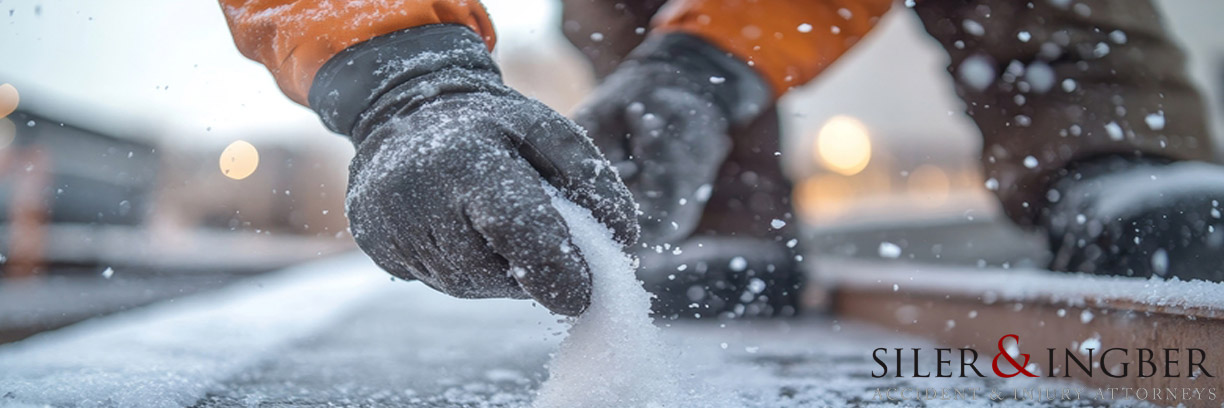
It’s safe to say the winter months have well and truly taken hold, and while this time of year can often be a magical time in New York City, it can also be treacherous. In between the excitement of snow flurries, cozy scarves, and hot drinks, that picturesque layer of snow also brings a serious threat of slipping and falling.
It can be incredibly easy to injure yourself on icy and snowy sidewalks, ramps, entryways, and walkways, turning a routine trip into a painful long-term recovery. Here at Siler & Ingber Accident & Injury Attorneys, we have seen firsthand the havoc poorly maintained walkways can cause. That is why in this latest article, we explore why this time of year is so dangerous, what the law expects from property owners, and what you can do if you’re injured.
Why is Snow and Ice on NYC Walkways so Dangerous?
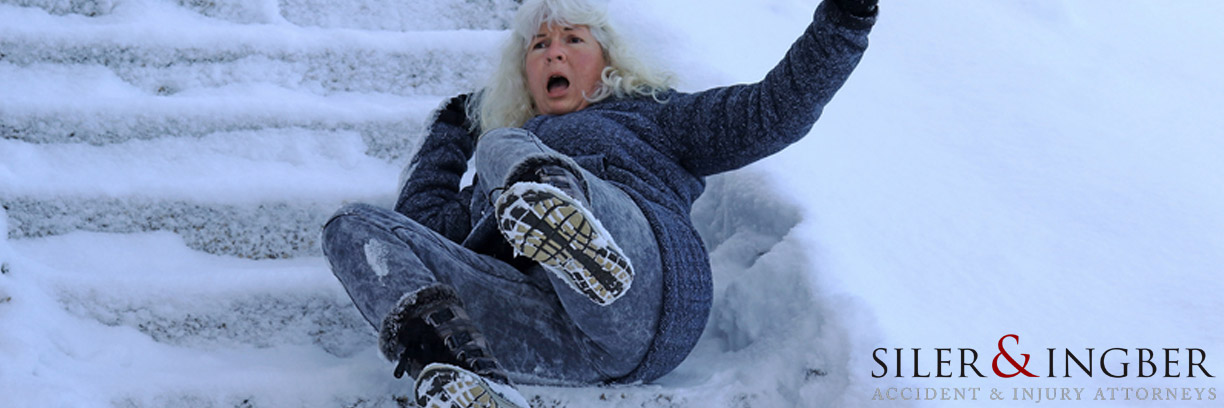
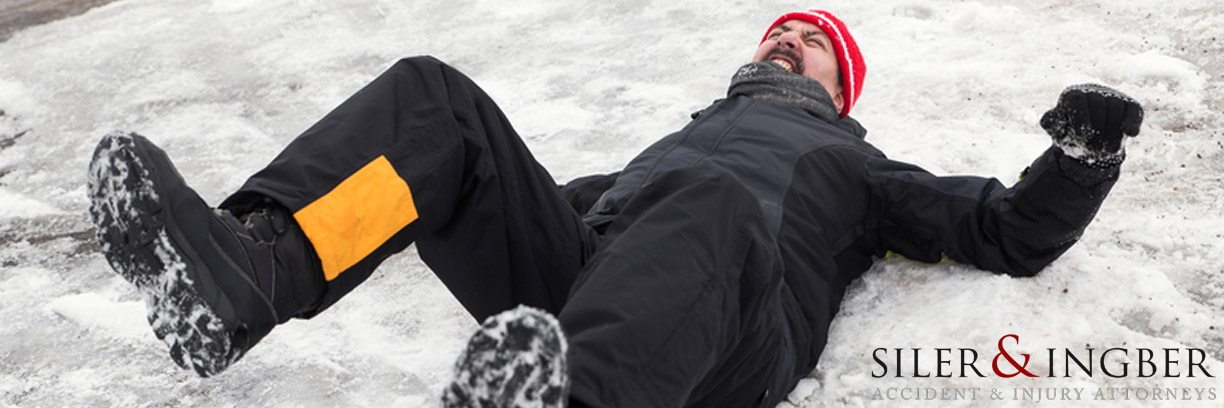
While it might seem obvious, snow and ice have a big impact on pedestrian safety, often more than most people realize. When temperatures swing above and below freezing, snow that melts during the day can refreeze into black ice, an almost invisible layer of slick surface that grips no shoe and causes countless falls. Snow-packed sidewalks and slush-covered ramps only add to that danger, making your normal commute a risky trip!
Slips, trips, and falls are a major cause of injury year-round, with the National Floor Safety Institute finding that they account for just under 9 million emergency room visits each year. However, the winter months are amongst the highest, with icy conditions being a leading seasonal contributor to ER visits.
What are the Legal Requirements?
In New York, property owners, no matter whether it’s a residential, commercial, or rental unit, have a legal duty to maintain reasonably safe walkways adjacent to their properties. That means during the winter, they need to ensure they swiftly clear snow, ice, and other winter hazards. NYC’s Administrative Code specifically details snow and ice removal obligations, including:
- Snow and ice must be cleared from sidewalks abutting a property within a defined time frame after a storm ends.
- For snowfall between morning and late afternoon, property owners typically have a few hours to clear the hazard; specific rules vary by time of day and storm conditions.
If a property owner fails to remove snow and ice within a reasonable time, or they do not treat the sidewalk with ice-melting materials, and someone is injured, that owner could then be held responsible for damages under New York premises liability law.
It is worth remembering that the code does have a “storm in progress” doctrine, which gives property owners some leeway to clear snow and ice while a storm is still underway. However, once it clears, it is essential that they act promptly to keep the public safe.
Common Injuries from Snow and Ice Falls
A slip or fall on ice might seem minor at first, something you can laugh off with friends, but it can also lead to an array of often serious and even life-altering injuries. Some of the most common injuries that we see during the winter months include:
- Wrist, arm, and hand fractures from trying to break a fall
- Ankle and foot breaks and sprains
- Hip and pelvic fractures, especially in older adults
- Back and neck injuries, such as a herniated disc
- Head injuries and concussion
Even if a fall does not lead to a fracture or broken bone, it can cause painful soft tissue damage, nerve injuries, and prolonged pain that impacts your ability to work and live comfortably.
How to Stay Safe when Walking on Icy NYC Walkways
Although property owners have a legal responsibility to keep sidewalks and entryways clear from snow and ice, there are also some simple steps you can take to keep yourself safe this winter. The first is ensure you are wearing appropriate footwear whenever you’re heading out in cold weather, and boots with non-slip soles can make a real difference.
You should also walk more slowly than you normally would, especially on icy or uneven surfaces, and hold on to any handrails when available. Above all, though, staying alert for black ice and planning your route to use well-maintained sidewalks and crossings can help reduce the risk of a fall.
What to do if You are injured in a Snow and Icefall
Even with the best care, accidents can still happen. If you slip and fall on an icy walkway or uncleared snow, your first priority should be your health. Even if you feel OK, you should still seek medical attention, as many serious injuries might not be immediately obvious.
At the same time, you should document the incident, including photos of the ice, snow, or hazardous conditions, and collect witness statements from anyone nearby who witnessed the incident. You should then report the accident to the building management or local authority, and keep a clear record of all communications, as well as any medical treatments, bills, or loss of earnings.
The law does place a deadline on when you can file a claim, especially if the accident occurred on city-owned property, like public sidewalks, subway entrances, or bus stops. If you are unsure of your rights or want to ensure you are getting the right support you need, then working with an experienced NYC injury attorney can take the stress and worry away for you.
Winter Doesn’t Have to Be Dangerous
Snow and ice bring all the charm of a classic New York winter, but they also bring risk. If you fall foul of a treacherous walkway due to negligence or poorly maintained entryways, then the law protects you. Our team here at Siler & Ingber Accident & Injury Attorneys can help you every step of the way, so get in touch today and take your first step toward the justice and compensation you deserve.
Siler & Ingber Accident & Injury Attorneys
The Law Firm You Can Trust When It Matters Most
 Offices: 301 Mineola Blvd., Mineola, NY 11501
 Phone: (516) 294-2666
 Website: https://www.nylawnet.com/
 Email: ringber@nylawnet.com
Serving clients across New York City and Long Island. No fee unless we win your case.