School Zone Accidents and Child Injury Rights In New York
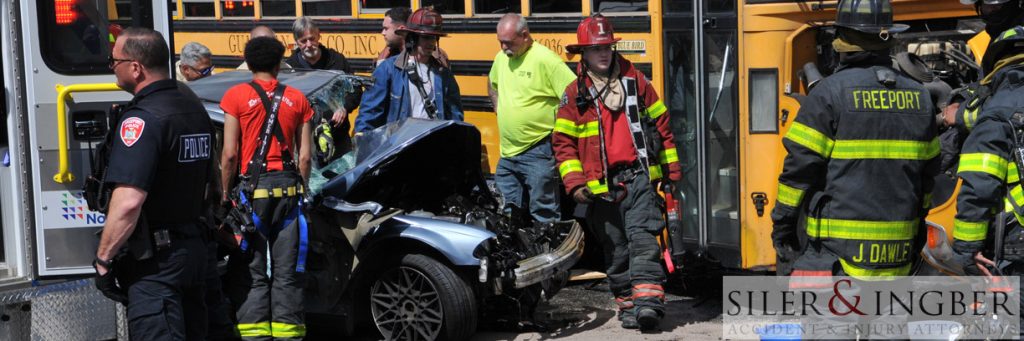
Every parent expects their child to arrive at school safely and return home unharmed, and school zones are among the safest areas on New York roads, with reduced speed limits, crossing guards, warning signs, and strict traffic laws designed to protect children. Unfortunately, serious accidents still happen every year throughout New York City and Long Island. Whether it is distracted driving and speeding or unsafe crosswalks and bus-related accidents, school zone collisions can leave children with severe physical injuries and long-term emotional trauma. For families, the aftermath of a child injury accident is often overwhelming, and medical appointments, emotional stress, missed work, and uncertainty about the future can quickly take over daily life. Understanding child injury rights in New York is essential, and while no legal claim can undo the trauma of an accident, knowing your options may help your family recover financially and hold negligent parties accountable. Why School Zone Accidents Continue to Happen Although school zones help reduce risk, they remain high-traffic areas where vehicles, buses, cyclists, and pedestrians interact during busy morning and afternoon hours. Many school zone accidents are preventable and occur because drivers fail to follow traffic laws designed specifically to protect children. According to the National Highway Traffic Safety Administration, school transportation-related crashes continue to injure thousands of children nationwide each year, and children are particularly vulnerable as pedestrians because they can be difficult for drivers to see and may act unpredictably near roadways. To help combat this, New York has enacted strict traffic laws governing school buses and school zones, and failure to comply can result in significant penalties and license consequences. Children injured in school zone accidents may suffer a wide range of injuries, some of which require extensive medical treatment and long-term care. Some of the most common include head injuries, broken bones, spinal injuries, internal bleeding, facial trauma, and concussions, and even those injuries that initially appear minor can sometimes lead to lasting complications, particularly in younger children whose bodies are still developing. Beyond the physical harm, many children experience emotional distress after an accident. Fear of crossing streets, anxiety about returning to school, sleep disturbances, and behavioral changes are not uncommon following traumatic incidents involving vehicles or school transportation. Who May Be Liable in a School Zone Accident? One of the more complicated aspects of school zone accident cases is determining liability, and depending on the circumstances, multiple parties may potentially share responsibility. In some cases, a negligent driver may be solely responsible for the accident; for example, a driver who is distracted, fails to stop for school buses or crosswalks, or drives recklessly. However, liability may also extend beyond the driver and school bus companies, school districts, municipalities responsible for road maintenance, private transportation providers, or even property owners near dangerous intersections could potentially share responsibility. For example, if a malfunctioning traffic signal, missing crosswalk markings, or poorly designed intersection contributed to the accident, a city or local government entity may potentially bear partial responsibility. School Bus Accidents in New York School buses are generally considered one of the safest forms of transportation for children, but accidents involving buses still occur throughout New York every year. These accidents may involve driver negligence, inadequate driver training, poor vehicle maintenance, unsafe loading procedures, or collisions with other vehicles. According to the New York State Department of Motor Vehicles, failing to stop for a school bus is one of the most dangerous traffic violations involving children. That is why stop-arm camera programs have expanded across New York to reduce illegal passing incidents and improve school zone safety. What Parents Should Do After a School Zone Accident The moments after an accident are often chaotic and emotional, and while every situation is different, there are several important steps parents can take to help protect both their child’s health and any future legal claim. First, seek immediate medical care, even if injuries initially appear minor. Some injuries, including concussions and internal trauma, may not show symptoms right away. Parents should also try to document the scene, if possible, with photographs of the roadway, vehicle damage, crosswalks, traffic signs, and visible injuries, all of which could become valuable evidence later. Witness information can also be important, and teachers, crossing guards, nearby parents, or drivers may provide details that help establish exactly how the accident occurred. It is also important to preserve all medical records, treatment plans, and receipts related to the injury. Finally, families should be cautious when dealing with insurance companies early in the process, as some insurers attempt to resolve claims quickly before the full extent of injuries or long-term complications is fully understood. Child Injury Claims in New York Under New York law, injured children may be entitled to compensation when negligence causes harm. Compensation may cover medical expenses, rehabilitation costs, pain and suffering, emotional distress, and long-term care needs associated with permanent injuries or disabilities. In some situations, parents may also recover compensation for out-of-pocket expenses or lost income related to caring for an injured child. For example, New York courts often take child injury cases particularly seriously because of the lasting impact an accident can have on a child’s future development, education, and quality of life. However, it is important to remember that New York has statutes of limitations that apply to personal injury claims. Speaking with an experienced attorney as soon as possible will ensure that you remain within the statute and that all necessary notices are filed on time. Protecting Families after School Zone Accidents No parent expects a routine school day to end with a hospital visit or serious injury, but understanding your legal rights should it happen can help you make informed decisions during an incredibly stressful time. Here at Siler & Ingber Accident & Injury Attorneys, we understand how devastating child injury accidents can be, which is why our team is here to support you every step of the way. We specialize in accident and injury cases, so if you want to learn
Holiday Travel Car Accidents in New York: Your Legal Rights
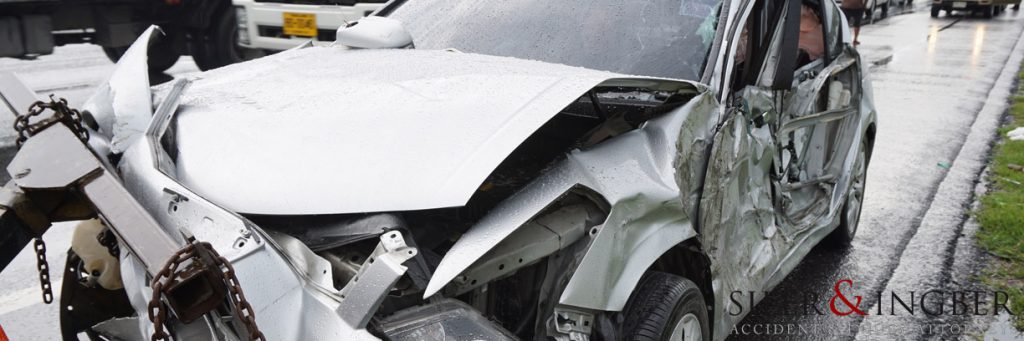
For many New Yorkers, the summer months offer a great chance to escape the city and head out to the beaches of Long Island, a road trip upstate, or a family vacation. These trips bring a sharp increase in traffic and a higher risk of car accidents. Being involved in a car accident during summer travel not only disrupts your plans but also impacts your health and finances. In this latest article, we take a look at your legal rights if you’re involved in a collision and what steps you should take. Why does summer travel increase the risk of an accident? As temperatures rise, so does the number of vehicles on the road. Popular routes like the Long Island Expressway, Northern State Parkway, and roads leading to the Hamptons or Jersey Shore become significantly more crowded, especially on weekends and holidays. Tourism is another major factor, with many drivers on the road during summer unfamiliar with local traffic patterns, exits, and road rules. Sudden lane changes, missed turns, and hesitation can create dangerous situations. There’s also a more relaxed mindset in the summer months. People are heading to barbecues, beach days, and vacations, often with friends or family in the car, and that shift in focus can lead to reduced attention behind the wheel. Construction season adds another layer. Summer is peak time for roadwork across NYC and Long Island, which means lane closures, detours, and uneven road surfaces, all of which can catch drivers off guard. Summer traffic patterns often lead to specific types of accidents, too. Rear-end collisions are extremely common, especially in stop-and-go traffic on highways and parkways. Side-swipe accidents also occur more frequently as drivers attempt to change lanes in congested traffic or navigate unfamiliar exits. Even those accidents that seem minor at first can still lead to severe injuries over time. Whiplash is one of the most common of these, particularly in rear-end collisions, and victims may also experience neck pain, back injuries, and soft tissue damage. More serious accidents can result in broken bones, head injuries, concussions, or even spinal injuries. In high-speed collisions, internal injuries and long-term complications are also possible, and because symptoms don’t always appear immediately, seeking medical attention after an accident is essential. Understanding your rights under New York law New York operates under a no-fault insurance system that applies to most car accidents, including those that occur during summer travel. This means your own insurance policy typically covers medical expenses and a portion of lost wages, regardless of who caused the accident, and the system is designed to provide quick financial support while your claim is being evaluated. However, no-fault coverage has limits and does not include compensation for pain and suffering. If your injuries meet New York’s “serious injury” threshold, you may be able to pursue a claim against the at-fault driver for additional damages. Understanding where your case fits within this system is key to protecting your rights, and speaking with an experienced solicitor will ensure you get the compensation you deserve. When another driver may be held liable While no-fault insurance applies initially, fault still plays an important role in many cases, and a driver may be held liable if they were negligent, for example, if they were speeding, distracted, impaired, or failed to follow traffic laws. In summer travel scenarios, this might include unsafe lane changes, aggressive driving in traffic, or failing to yield at intersections. New York follows a comparative negligence rule, meaning fault can be shared. Even if you are partially responsible for the accident, you may still be able to recover compensation, although it may be reduced based on your percentage of fault. The challenges of summer accident claims Summer accidents sometimes involve additional complications that can affect how claims are handled. Out-of-state drivers are far more common during this time of year, particularly in tourist-heavy areas, which can create complications when dealing with different insurance policies and coverage limits. Rental vehicles are also widely used during summer travel, which means determining which insurance policy applies, the driver’s personal insurance, rental coverage, or another party, can take time. The summer months also see an increase in rideshare and delivery traffic, especially in busy areas, and accidents involving these types of vehicles may involve multiple insurance policies and corporate liability considerations. What to do after a summer holiday car accident If you’re involved in a car accident during summer travel, taking the right steps early can make a big difference. You should start by seeking medical attention, even if your injuries seem minor, and calling the police to ensure an accident report is filed. If possible, take photos of the scene, vehicle damage, road conditions, and any visible injuries. You should also exchange information with the other driver and collect contact details from any witnesses. Keeping records of medical treatment, expenses, and missed work can also support your claim. It’s also important to be cautious when speaking with insurance companies, and to provide clear but limited information early on to help avoid complications later. Summer schedules can be busy, and it’s easy to put off dealing with an accident while focusing on travel plans or family time. However, delays can create problems. However, New York has strict deadlines for filing no-fault claims and personal injury lawsuits, and waiting too long can affect your ability to recover compensation or gather important evidence. Getting the right support Recovering from a car accident is challenging enough without having to navigate insurance claims and legal procedures on your own. Knowing your rights and taking the right steps early can help you regain control of the situation and ensure you get the compensation you deserve. Our team here at Siler & Ingber Accident & Injury Attorneys works with individuals across NYC and Long Island who have been injured in car accidents, including those that occur during busy summer travel periods. We know how stressful the experience can be, which is why we help clients understand their
Public Transit Injury Claims: Subways, Buses & Taxis in NYC
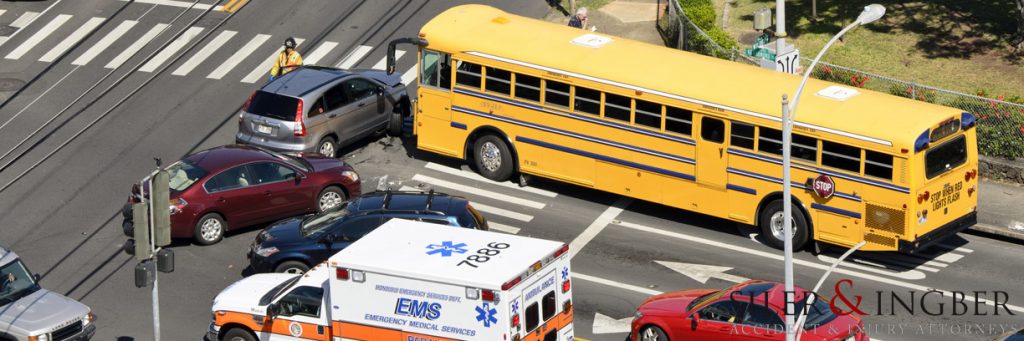
The New York City public transportation system is one of the world’s busiest, helping millions of residents and tourists move around with ease. While the vast majority of these trips proceed without incident, accidents and injuries can happen, perhaps more frequently than many realize. When someone is injured on public transportation, one of the biggest questions is often who is responsible and whether an injury claim can be filed. However, public transit injury claims are often more complicated than standard car accident cases because they may involve government agencies, multiple insurance policies, and strict filing deadlines. Understanding how public transit injury claims work in NYC can help you better understand your rights and what steps to take if you are injured on a subway, bus, or taxi. Where Public Transit Injuries Commonly Occur Public transit injuries can happen in many different places, not just during a crash. In New York City, injuries frequently occur on subway platforms, inside subway cars, while boarding or exiting buses, and during taxi rides. Subway stations can also become extremely crowded, especially during rush hour, and slip-and-fall accidents on stairs, platforms, and turnstile areas are common, particularly when floors are wet from rain or snow. Bus-related injuries often occur when passengers are boarding or exiting the bus, when a driver begins moving before a passenger is seated, or when a driver suddenly stops to avoid traffic or pedestrians. Taxi accidents are another common source of public transit injury claims and often involve collisions with other vehicles, pedestrians, cyclists, or stationary objects. Subway Injury Claims in NYC The subway system in New York City is operated by the Metropolitan Transportation Authority (MTA), which is a public authority. This means that injury claims involving subways are different from typical personal injury claims, and may involve situations such as: Slips and falls on platforms or stairs Being struck by the closing train doors Injuries from sudden stops or jerking train movement Accidents caused by defective escalators or elevators Falling due to overcrowded platforms or trains Because the MTA is a government entity, there are special rules and shorter deadlines for filing a claim. In many cases, a Notice of Claim must be filed within a relatively short period of time after the accident, and missing this deadline can prevent you from getting the compensation you deserve. Bus Accident Injury Claims Bus accidents in NYC may involve city, private, charter, or school buses. Many city buses are also operated by the MTA, which means similar rules apply regarding claims and deadlines, and typical injuries include: Passengers falling when the bus stops suddenly Injuries while boarding or exiting the bus Bus collisions with other vehicles Pedestrians struck by buses Buses hitting cyclists or parked vehicles Bus drivers are expected to operate their vehicles safely and carefully, especially since they are transporting passengers. If a driver is speeding, distracted, or driving aggressively, the transit authority or bus company may be held responsible for injuries that occur. Taxi and Rideshare Injury Claims Taxi accidents are slightly different from subway and bus claims because taxis are typically privately owned or operated by companies rather than government agencies. This means injury claims are often handled through insurance companies rather than municipal claim systems, and accident claims may involve: Collisions with other vehicles Pedestrians struck by taxis Passengers injured during sudden stops or crashes Injuries caused by unsafe driving Accidents involving rideshare vehicles like Uber or Lyft These cases can sometimes involve multiple insurance policies, including the taxi company’s insurance, the driver’s personal insurance, and possibly other drivers’ insurance if multiple vehicles were involved. Determining which insurance policy applies can sometimes be complicated, particularly in rideshare accident cases. How Liability is Determined in Public Transit Injury Cases Determining liability in a public transit injury case depends on how the accident occurred. Investigations may involve reviewing accident reports, surveillance footage, maintenance records, driver records, and witness statements; for example, if someone slipped on a subway platform because a dangerous condition was not addressed, the transit authority may be responsible. If a bus driver caused an accident due to careless driving, the bus company or transit authority may be liable. If a taxi driver caused a crash, the driver and their insurance company may be responsible. In some cases, multiple parties may share responsibility, especially in multi-vehicle accidents or situations involving unsafe road conditions or construction zones. Because public transit systems are heavily monitored, video footage and incident reports often play a major role in determining what happened. What to do After a Public Transit Injury in NYC If you are injured on a subway, bus, or taxi in New York City, there are several important steps you should take. First, seek medical attention as soon as possible, even if the injury does not seem serious, as some can take time to appear. The medical records are also important for any future claim. You should report the incident immediately to the bus driver, train conductor, station agent, or police officer so that an official report is created. If possible, take photographs of the area, the vehicle, any hazards, and your injuries, and collect the names and contact information of any witnesses. When to Speak with an Attorney Public transit injury claims in NYC can be complicated because they often involve government agencies, strict deadlines, and multiple insurance policies. Many people are not aware that the timeline for filing a claim against a public authority can be much shorter than a standard personal injury case, which is why speaking with an experienced personal injury attorney can help you understand your rights, determine who may be liable, and ensure that important deadlines are not missed. Our team here at Siler & Ingber Accident & Injury Attorneys helps individuals who have been injured in subway, bus, and taxi accidents throughout New York City and Long Island, guiding them through the claims process, handling communication with insurance companies, and helping them pursue compensation for medical bills, lost income, and other
Understanding Pedestrian and Public Transit Accidents in New York City

No matter whether you are navigating the constant movement of New York City, commuting across Long Island, or traveling through any other major metropolitan area, life moves at a fast pace. With crowded sidewalks, busy intersections, and complex public transportation systems, it is no surprise that pedestrian accidents and public transit accidents remain a serious concern for residents and visitors alike. Every day, thousands of people rely on buses, subways, and commuter trains, while millions more walk through heavily trafficked areas. Unfortunately, when something goes wrong, the consequences can be severe. From rushing to catch a train to crossing a street during peak traffic hours, understanding your rights and legal options after an injury can make a significant difference in your recovery. In this guide, we explore the most common causes of pedestrian and public transit accidents, the types of injuries victims often suffer, and the essential steps to take if you are considering a personal injury claim. Bus and Subway-Related Injuries Public transportation is the backbone of daily life throughout New York City and the surrounding metropolitan region. Millions of commuters depend on systems such as the Metropolitan Transportation Authority (MTA), including city buses, subways, and commuter rail lines like the Long Island Rail Road (LIRR). These services make urban life possible, but they also introduce risks when safety standards are not properly maintained. While most journeys are uneventful, accidents can and do occur, sometimes with life-changing consequences. Because public transit vehicles carry large numbers of passengers, even a single incident can affect dozens of people at once. Common Causes of Transit Accident Injuries Public transit injuries can occur in many ways, including: Sudden stops that throw standing passengers off balance Slips and falls on wet or crowded platforms Collisions involving buses, trains, or other vehicles Malfunctions in doors, brakes, or escalators Negligent or distracted operation by transit employees When a bus or subway fails to operate safely, riders can suffer injuries ranging from minor sprains and broken bones to spinal cord injuries or traumatic brain injuries. These incidents not only disrupt daily routines but can also result in significant medical expenses, time away from work, and long-term rehabilitation needs. In more serious cases, victims may be unable to return to their previous jobs or may require ongoing care, placing emotional and financial strain on their families. Your Rights After a Transit Injury If you are injured while riding a bus, subway, or commuter train, it is important to understand that public transit authorities have a legal duty to operate responsibly and maintain safe conditions for passengers. Under New York law, injured riders may be entitled to compensation when negligence contributes to their accident. However, claims involving public agencies often follow different rules than those in standard personal injury cases. For example, strict deadlines may apply, and injured parties may be required to file a formal notice of claim within a short period. Failing to meet these requirements could jeopardize your ability to recover compensation. That is why documenting the incident is critical. Taking photos of the scene, collecting witness contact information, and obtaining medical records can provide valuable evidence. Prompt reporting of the incident to the transit authority is also essential. Crosswalk Accidents and Pedestrian Injuries Crosswalks are designed to protect pedestrians, but accidents at intersections remain one of the most common causes of serious injury in urban environments. Pedestrians struck by turning vehicles, speeding drivers, or distracted motorists often suffer severe harm because they have little physical protection. Large cities like New York, as well as busy suburban areas on Long Island, experience heavy traffic throughout the day. Even in clearly marked crosswalks, pedestrians are vulnerable when drivers fail to follow traffic laws or exercise reasonable caution. Why Crosswalk Collisions Happen Several factors commonly contribute to pedestrian accidents, including: Drivers failing to yield the right of way Poor visibility due to weather or lighting conditions Inadequate signage or malfunctioning traffic signals Drivers distracted by mobile phones or navigation systems Pedestrians misjudge traffic speed or distance While pedestrians also have a responsibility to remain alert, drivers are legally required to yield to pedestrians in many situations. When a driver’s negligence causes harm, injured pedestrians may have the right to pursue a claim for damages. The Human Cost of Pedestrian Accidents Pedestrian accidents often result in catastrophic injuries. Unlike vehicle occupants, pedestrians lack seatbelts, airbags, or structural protection. As a result, even low-speed collisions can cause serious trauma. Common pedestrian injuries include: Broken bones and fractures Head and brain injuries Internal organ damage Spinal cord injuries Emotional and psychological trauma Victims may face lengthy hospital stays, ongoing physical therapy, and permanent disability. Families affected by fatal pedestrian accidents often experience profound emotional loss, along with financial hardship from medical bills, funeral expenses, and lost income. Liability and Compensation In both pedestrian and public transit accidents, determining liability is a key part of any claim. Liability refers to who is legally responsible for the injury. Depending on the circumstances, responsible parties may include: A negligent driver A transit authority or government agency A private bus company A maintenance contractor A property owner Compensation in a successful claim may cover medical expenses, lost wages, future earning capacity, pain and suffering, and other related damages. In cases involving wrongful death, surviving family members may also seek compensation for loss of financial support and emotional distress. Taking the Next Steps After an Accident If you or a loved one has been injured in a pedestrian or public transit accident, taking action early can significantly protect your rights and improve your chances of a successful outcome. Some important steps include: Seek immediate medical attention Your health should always come first. Prompt medical treatment not only ensures proper care but also creates critical documentation linking your injuries to the accident. Preserve evidence Photographs of the scene, surveillance footage, damaged property, and witness statements can strengthen your case and help establish liability. Report the accident Notify the appropriate transit authority or law enforcement agency as
When Public Transit Goes Off Track

An Examination of Transit Incidents and Their Legal Consequences by NYLawnet The city’s extensive bus and tube system transports thousands of commuters every day. Yet, when there are problems with public transportation—maybe because of bad equipment, mistakes by people or poor decisions—the outcome can be very serious. Problems caused when MTA run buses and subways can disrupt the community, as they often raise issues of responsibility, control and answerability. High-Profile Accidents Recently Recently, the city has experienced a number of public tram accidents. In 2023, the trains ran off the tracks in Harlem, injuring many people and New York City started investigating how maintenance was handled. Similar to the 2017 event, an MTA bus in Brooklyn leaped the curb in 2024, injuring pedestrians. The event also led to complaints about how drivers are trained and selected. Every incident uncovers flaws in a system that is trusted every day. Usually, the consequences in court are broad and result from the relationship among municipal liability, sovereign immunity and individual carelessness. Laws and Issues It is not always easy to get justice when someone gets injured on or by public transit. New York law gives the MTA certain defenses because it is a public authority. Those wishing to sue the MTA for an incident must notify the agency within 90 days of the incident using a Notice of Claim. The upcoming trial date can present a serious problem for those only recently hurt and for those who do not understand their legal options. Also, finding who is responsible for any accident that occurs while things are being shipped is not always simple. Were they tired at the time of the accident? If such a tragedy happened, was it because proper maintenance was neglected? Did a problem with the signal control system go ignored? Usually, proving that negligence occurred on behalf of the driver or from the transit authority for common problems is important in legal cases. Current Developments in Lawsuits and Responsibility Judges in New York are looking more carefully at the MTA’s safety systems. There have been many cases where transit agencies were found guilty after accidents because they didn’t maintain machinery or follow safety rules. Besides, juries have to take into account acts of contributory negligence—particularly if the problem resulted from someone besides the driver or airline staff. The influence of photos and statements from neighbours has increased in such cases. Engineers and safety specialists are now being called in by legal teams to review accident scenes and pinpoint faults in methods or tools. Effects on Policy and Reform In addition, such incidents lead to discussions about improving transit budgets, training operators and changing the system as a whole. Examinations by pedestrian accident attorneys in New York often drive the government to introduce safety measures—such as new devices to track drivers’ tiredness and better security for pedestrians near buses. Such situations make it clear that attorneys should know a great deal about municipal law, regulations governing public transport and the rules connected with suing public bodies. The public tends to see them as signs of both how much systems control our city and how easily those systems might fail. Conclusion When there is an issue with public transit, it can be just as complicated to resolve things legally as it was for the accident happen. Since New York is developing, its transit laws and safeguards should also change. Careful law monitoring and responsible public rules will play a vital role in maintaining safety. The resource continues to monitor advancements in transportation law and supports greater clarity and protection for commuter safety.