Menu
How Were You Injured?
Car Accidents
Truck Accidents
Premises Liability
Medical Malpractice
Ambulance Accident
Workplace Injury
Car Accident
Bus Accident
OUT OF 100+ GOOGLE REVIEWS
CASES WON










If you want someone who’s going to treat you with respect and as a human being and always have your back I repeat always have your back and always in your corner I recommend that you go to Siler & Ingber. I promise you, you won’t feel cheated. Top notch lawyers & staff that will have your back no matter what.
I am extremely grateful to Ron Ingber and his staff for their support and guidance this past year after suffering from a physical and emotional traumatic automobile accident. I especially want to thank Chris Longman, Jeffrey Miller and Yojaira Fernandez for their expertise, guidance and patience.
Ron Ingber and his office are incredible and responsive in listening to the needs of their clients and effectively making sure the that their clients are heard and that they matter. For me and my family we see Ron and his firm as family; and highly recommend to anyone!!!

Whether you need to file a no-fault claim with your own insurance, seek compensation from another driver, or pursue damages from a third party, we can help you successfully conclude your claim.

From soft-tissue damage and bone fractures to catastrophic brain and spinal damage, a personal injury could qualify you to seek financial compensation from the party responsible for causing your accident.

Commercial trucking accidents are often complicated, as any of the parties involved with running and operating the truck could bear some of the blame. Our firm can help you determine who’s responsible.

As an injured motorcyclist, you have to be careful that an insurer doesn’t try to blame you for what happened. Let us help you build a case that proves who was truly at fault for the crash.

You might be eligible for far more than just work comp if a third party or willful negligence were involved in causing your construction injury. We’ll help you get fully compensated.

If a fatal accident caused by someone else’s carelessness or poor judgment led to your loved one’s wrongful death, we can help you seek the justice and compensation your family deserves.

When you visit a doctor, you never expect to become a victim of medical negligence. With our help, you can hold a careless healthcare provider accountable for the injuries or illness you’ve suffered.

You shouldn’t suffer an injury because a property owner failed to take care of a hazard that was dangerous to visitors. Let us help you prove their responsibility and recover compensation.

Burn injuries can be devastating to both your physical and mental health. Recovery is often long, complicated, and expensive—especially if the burn is severe.

Riding the bus has its ups and downs, but getting caught in the middle of a crash involving a bus can have lifelong consequences for everyone involved.

If your elderly family member has been abused or neglected in a home, your family deserves compensation from those responsible.














When someone is injured because of another person’s negligence, the legal path forward is often a personal injury claim. However, when those injuries result in a loss of life, the situation becomes far more complicated. One of the most common points of confusion is understanding the difference between a wrongful death claim and a personal injury claim in New York and Long Island. While both types of cases arise from accidents caused by negligence, they serve different purposes under New York law and involve different parties, damages, and legal procedures. In this latest article, we thought we would explore the two a little further… How Personal Injury Claims Work A personal injury claim is filed when someone suffers physical, emotional, or financial harm because of another party’s negligence or wrongful conduct. They can occur from a variety of accidents, but most commonly cases arise from car accidents, slips and falls, construction accidents, medical malpractice, and defective products. The purpose of these claims is to help the injured person recover damages related to their injuries and the impact those injuries have had on their life, and compensation may include medical expenses, lost income, rehabilitation costs, pain and suffering, and future medical treatment needs. When A Personal Injury Case Becomes A Wrongful Death Claim A wrongful death claim arises when someone dies as a result of injuries caused by another person’s negligence, recklessness, or wrongful act. In many situations, the underlying accident looks very similar to a standard personal injury case, but the key difference is that the injuries ultimately prove fatal. For example, a distracted driver may cause a collision that leaves one victim with serious injuries and another victim deceased. So while the injured survivor may pursue a personal injury claim, the deceased person’s family may have grounds to pursue a wrongful death claim. Who Can File The Claim? One of the biggest differences between these two types of cases involves who has the legal authority to bring the claim. In a personal injury case, the injured individual typically files the lawsuit themselves, but wrongful death claims work differently, and under New York law, a wrongful death lawsuit must generally be filed by the personal representative of the deceased person’s estate on behalf of eligible surviving family members. This representative is often appointed through the probate process and may be a spouse, adult child, parent, or another designated individual. Because wrongful death cases involve estate-related legal issues, they often become more procedurally complex than standard personal injury claims. The Damages Available Are Different Another important distinction involves the types of compensation that may be recovered. In a personal injury claim, damages are designed to compensate the injured person for the losses they personally experienced, while wrongful death claims focus on losses suffered by surviving family members and the estate. New York’s wrongful death laws differ from those of some other states because recovery for emotional grief itself is generally more limited than many families expect. Instead, wrongful death damages often focus heavily on the financial losses suffered by surviving beneficiaries. What Happens If The Person Survives For A Period Before Passing Away? Some accidents result in a situation where an injured person survives for days, weeks, or even months before eventually passing away from their injuries. In these circumstances, two separate legal claims may potentially exist. The first is a personal injury-related claim known as a survival action. This allows recovery for damages the deceased person experienced before death, such as medical expenses, pain and suffering, and lost income. The second is the wrongful death claim itself, which focuses on losses suffered by surviving family members after the death occurs. These claims are often pursued together but remain legally distinct under New York law. Proving Liability Remains Similar Although personal injury and wrongful death claims differ in important ways, the process of establishing liability is often similar. The plaintiff generally must show that the defendant owed a duty of care, which was breached and resulted in the accident, which in turn caused injury or death. In order to prove this, claimants may draw upon a wide range of resources, including police reports, accident reconstruction analysis, surveillance footage, witness testimony, medical records, expert opinions, and employment records. However, wrongful death litigation frequently involves additional layers of complexity that are not present in many personal injury claims. For example, multiple family members may have competing interests, estate administration issues can arise, and future financial losses may need to be calculated over decades. Expert witnesses are often required to evaluate earning potential, life expectancy, and economic contributions the deceased would likely have made throughout their lifetime, while insurance companies also tend to defend wrongful death claims aggressively because the potential financial exposure can be significant. Time Limits Matter Both personal injury and wrongful death claims are also subject to filing deadlines under New York law. Generally speaking, personal injury claims must be filed within three years of the accident date, while wrongful death claims are often subject to a two-year statute of limitations beginning from the date of death. Certain exceptions and special rules may apply depending on the circumstances, particularly when government entities are involved, and because these deadlines can vary and missing them may permanently affect legal rights, seeking legal guidance promptly is often important. Understanding Which Type of Claim Applies The distinction between a personal injury claim and a wrongful death claim may seem straightforward at first glance, but the legal differences can have a significant impact on how a case proceeds. Personal injury claims focus on helping injured individuals recover compensation for the harm they suffered, whereas wrongful death claims seek to address the losses experienced by surviving family members after a preventable death. Both types of cases serve an important purpose and provide a legal mechanism for holding negligent parties accountable and helping victims or their families pursue financial recovery during incredibly difficult circumstances. At Siler & Ingber Accident & Injury Attorneys, we understand that serious accidents
Read More
Nobody expects the claims process to be easy after an accident, but many injury victims are surprised when they receive a denial letter from an insurance company. After weeks of medical treatment, missed work, and mounting bills, being told your claim has been rejected can feel frustrating and overwhelming. The good news is that a denial does not always mean the end of your case, and personal injury claims in New York City and Long Island are denied for many different reasons, and some denials are based on incomplete information, disputes over liability, or tactics designed to reduce an insurer’s financial exposure. Understanding why claims are denied and what steps can be taken afterward can help you ensure your rights are protected, and you can make an informed decision. Claim Denials Are More Common Than People Think Insurance companies process thousands of personal injury claims every year, and while many are resolved through settlements, others face delays, disputes, or outright denials. Insurers have a legal duty to investigate claims, but they are also businesses with financial interests to protect, and their goal is often to limit payouts wherever possible. That means even valid injury claims may face challenges, particularly when there are questions about fault, medical treatment, or the available evidence. A denial should never automatically discourage someone from exploring their legal options, and in many cases, additional evidence or legal guidance is all that’s needed to move the claim forward. Disputed Liability One of the most common reasons for a denied personal injury claim is a dispute over who caused the accident, and insurance companies may argue that their policyholder was not responsible or that the injured person contributed significantly to the accident. New York follows a pure comparative negligence system, meaning an injured person may still recover compensation even if they were partially at fault. However, insurers sometimes attempt to exaggerate a claimant’s share of responsibility in order to reduce or deny payment. Delayed Medical Treatment Another common reason claims get denied is that the injured person waited too long to seek medical care. After an accident, some injuries may appear minor at first, and many people delay treatment, hoping symptoms will improve on their own. However, insurance companies often exploit treatment delays to challenge a claim and may argue that the injuries were not serious, that the accident did not cause the condition, or that medical treatment was unnecessary. Seeking prompt medical attention creates documentation linking the injuries to the accident and helps establish a timeline that may become important later in the claims process. Lack Of Supporting Evidence Strong evidence often forms the foundation of a successful personal injury claim, and without sufficient documentation, insurers may argue there is insufficient information to support compensation. Evidence commonly used in injury claims includes medical records, accident reports, witness statements, photographs and videos, employment records showing lost wages, and expert opinions. In New York personal injury cases, documentation is often essential to proving both liability and damages, and missing records or incomplete information can result in claim denials or reduced settlement offers. Pre-Existing Medical Conditions Insurance companies frequently review a claimant’s medical history, and if an injured person has previously suffered back problems, knee injuries, neck pain, or other medical conditions, insurers may attempt to attribute current symptoms to those earlier issues. This does not necessarily prevent recovery, though, and under New York law, an injured person may still pursue compensation when an accident aggravates a pre-existing condition. However, proving this often requires clear medical evidence showing how the accident worsened the individual’s health. Gaps in Treatment Even after treatment begins, lengthy interruptions in medical care can create challenges. Insurance companies often look closely at treatment timelines, and missed appointments or long gaps between visits may lead insurers to question whether an injury was truly serious. Life circumstances can sometimes make treatment difficult, and transportation issues, work obligations, family responsibilities, or financial concerns may all contribute to interruptions in care. Nevertheless, gaps in treatment frequently become focal points in settlement negotiations, so consistent treatment records often provide stronger evidence of the nature and extent of injuries. Social Media Activity Many people do not realize that insurance companies sometimes monitor social media accounts after accidents, and photos, videos, comments, and check-ins may be reviewed in an effort to challenge injury claims. Even a seemingly harmless post can occasionally be taken out of context. For example, a photograph of someone attending a family event may be used to suggest they are more physically active than medical records indicate. Posts discussing the accident itself can also create problems if statements conflict with evidence presented elsewhere, so being cautious about social media activity while a claim remains pending is generally advisable. Missed Filing Deadlines New York has strict statutes of limitations for personal injury claims, and in most cases, injured individuals have 3 years from the date of the accident to file a lawsuit. Certain claims involving municipalities, school districts, or government agencies may involve much shorter deadlines, though. Missing an important deadline can result in the loss of the right to pursue compensation altogether, and this is one reason many accident victims choose to seek legal guidance early in the process. How To Fight Back After A Claim Denial Receiving a denial letter can feel discouraging, but it does not necessarily mean the case is over. There are several steps you can take to help strengthen your claim: Review the denial carefully Insurance companies typically explain why they denied a claim, and understanding the specific reason is often the first step toward addressing the problem. Gather additional evidence Additional medical records, photographs, witness statements, or expert opinions may help overcome disputes regarding liability or injuries. Continue medical treatment Following treatment recommendations and maintaining consistent care can help document ongoing symptoms and support the value of a claim. Avoid giving up too early Some claims that are initially denied later result in successful settlements or verdicts after additional evidence is presented. Speak
Read More
No one ever plans to hire a personal injury lawyer. One day, your life is normal, but the next, you’re facing medical appointments, insurance adjusters, lost income, stress, hassle, and uncertainty. This all creates a huge amount of pressure, which can make finding the right personal injury lawyer in NYC and Long Island incredibly challenging. Yet the right attorney can help make the entire process smoother and ensure you get the very best outcome for your case. With thousands of potential attorneys to choose from, how do you know which one has the experience, resources, and knowledge to take on your claim? We thought we would take a closer look at some key factors you should consider… Look for a lawyer who focuses on personal injury law Many attorneys handle a broad range of legal matters, from family law and real estate to criminal defense and business disputes. However, personal injury law is a highly specialized area that often involves complex issues such as insurance coverage disputes, medical evidence, expert testimony, accident reconstruction, and the calculation of future damages and losses. If the accident occurs in New York or Long Island, then an understanding of the negligence laws in these regions is also essential. The New York City Bar recommends that you research the specific attorney’s background, areas of practice, and professional qualifications, as not every personal injury case is the same. For example, a lawyer who primarily handles car accident claims may not have the extensive experience required for a medical malpractice claim or a construction accident. The more familiar an attorney is with your type of case, the better they may understand the legal issues, evidence requirements, and potential challenges involved. Read reviews carefully Once you have been able to shortlist a few personal injury lawyers in New York and Long Island, the next step is to check out the online reviews for these attorneys. While these should never be the only factors in your decision, they can help provide insight into their overall responsiveness, professionalism, and client outcomes. These independent reviews can provide valuable insight, but it is important to remember that one negative review should not automatically eliminate an attorney, just as several positive reviews will not guarantee five-star service. Ask who will actually handle your case When speaking with an attorney, be sure to ask who will actually be handling your case. At some firms, the attorney you meet during the consultation may not be the person handling your case day-to-day, and communication may be delegated to paralegals, case managers, or junior staff. There is nothing inherently wrong with a team approach, but it is important that you understand who your main point of contact will be, how often you will receive updates, who will answer questions when issues arise, and whether you will have direct access to your attorney. Choose a lawyer who understands New York and Long Island New York City and Long Island injury cases can involve unique issues relating to local courts, traffic conditions, construction regulations, municipal liability, and insurance practices, so knowledge of the local area matters. For example, claims involving New York City agencies may require filing a Notice of Claim within strict deadlines, while construction accident cases frequently involve New York Labor Law provisions that are not found in many other states. An attorney who regularly practices throughout New York City, Nassau County, and Suffolk County may have a better understanding of these local procedures and legal requirements. Understand How Personal Injury Fees Work When it comes to personal injury claims, most attorneys will operate on a contingency fee basis. This means clients generally do not pay legal fees upfront, and instead, attorneys receive a percentage of any settlement or verdict recovered on behalf of the client. This approach helps individuals to pursue legal representation, even if they do not have the resources to pay hourly legal fees. However, it is not the only way attorneys operate, so during your initial consultation, be sure to ask: Being as clear as possible at this stage will help avoid misunderstandings and ensure you do not face any hidden surprises later. Listen to Your Gut Credentials, experience, and independent reviews are a vital part of the decision process, but so is how you feel about the attorneys. A personal injury case can last months and, in some situations, years, and during that time, you may discuss medical issues, financial concerns, and highly personal details about your life, so you want to ensure you are comfortable with the individuals involved. Consider how they make you feel, whether they listened to your questions carefully and answered clearly, and whether they made you feel important or rushed you through. This is likely one of the most stressful periods of your life, so if your gut feeling isn’t right, listen to it. Beware of Unrealistic Promises No lawyer can ethically guarantee a specific result, as every personal injury case depends on facts, evidence, liability, medical documentation, and the actions of insurance companies and opposing parties. While they can use their experience to inform you of potentially likely outcomes, be cautious of anyone who guarantees a large settlement, promises a quick resolution, or assures you that your case is an easy win. You should also be very wary of any attorneys who pressure you to sign immediately or impose a time limit on a special offer. Take the Time to Make the Right Choice After a serious accident, it is understandable to want answers quickly. Medical bills may be arriving, work may have been missed, and insurance companies may already be calling, but choosing a personal injury lawyer is an important decision that deserves careful consideration. Experience, communication, local knowledge, and trust all play an important role in finding representation that fits your needs. Asking questions, researching credentials, and understanding how a firm operates are equally important and can help you feel more confident about your decision. Here at Siler & Ingber Accident & Injury
Read More
When most people think about personal injury claims, the first thing that will come to mind is likely broken bones, surgical procedures, and potentially lengthy hospital stays. While physical injuries often form the foundation of a personal injury case, the emotional impact of an accident can be just as significant. A serious car crash, workplace accident, medical error, or traumatic injury can leave lasting psychological scars long after physical wounds begin to heal. Anxiety, depression, sleep disturbances, panic attacks, and post-traumatic stress are common issues and can affect nearly every aspect of a person’s life. New York law recognizes that emotional suffering can be a genuine and compensable form of harm, although these claims are often more complex. That is why understanding your rights and the types of compensation available is essential to ensuring you receive the compensation you deserve. What Is Emotional Distress? Emotional distress refers to the psychological and emotional suffering a person experiences because of another party’s negligent or wrongful conduct. The effects vary from person to person, and some individuals may experience temporary anxiety following a traumatic event, while others develop long-term conditions that require ongoing treatment and significantly affect daily life. Some of the most common symptoms associated with emotional distress include: Anxiety and panic attacks Depression Fear and phobias Sleep disruption Mood changes Loss of enjoyment of life Post-traumatic stress disorder (PTSD) When Can Emotional Distress Be Included In A Personal Injury Claim? In many New York personal injury cases, emotional distress is included as part of a broader claim involving physical injuries. For example, someone injured in a serious car accident may suffer broken bones, but they may also develop anxiety about driving, experience nightmares, or struggle with panic attacks whenever they enter a vehicle. In these situations, emotional suffering is often considered part of the overall damages resulting from the accident, and courts generally recognize these consequences. As a result, compensation for pain and suffering may include both physical discomfort and emotional hardship. In certain situations, emotional distress claims may even arise if physical injuries are limited or absent. These cases tend to be more challenging because courts often require strong evidence showing that the emotional harm is serious, genuine, and directly linked to the defendant’s conduct. Common Situations That May Lead To Emotional Distress Claims Emotional distress can arise in many different types of accidents and injury cases, and some of the most common examples include: Serious motor vehicle accidents – High-speed collisions often leave victims dealing with anxiety, driving fears, flashbacks, and PTSD long after the physical injuries improve. Catastrophic injuries – Spinal cord injuries, traumatic brain injuries, amputations, and severe burns can create significant emotional challenges as victims adjust to permanent changes in their lives. Medical malpractice – Medical errors sometimes leave patients struggling with emotional trauma, particularly when mistakes result in life-changing consequences or the loss of a loved one. Workplace and construction accidents – Unexpected workplace injuries can trigger anxiety, depression, and concerns about financial stability and future employment. Wrongful death cases – The emotional toll of losing a family member because of another person’s negligence can be profound and long-lasting. How Emotional Distress Is Proven Unlike a broken bone or surgical scar, which are visible indications, emotional suffering is often unseen and can be hard to prove. Medical records can play an important role in this, and documentation from psychologists, psychiatrists, therapists, and counselors can help establish the existence and severity of emotional harm by showing diagnoses, counseling sessions, prescribed medications, and progress notes. Family members, friends, and coworkers can also be called upon to provide testimony regarding changes that they have observed since the accident. For example, they may be able to describe how their personality has changed, how they have withdrawn from social activities, had issues with sleep, or increased anxiety. How Compensation Is Calculated Unlike medical bills or lost wages, emotional distress damages do not come with a clear price tag, and there is no universal formula for calculating emotional suffering. Instead, several factors may influence the value of these damages, including the severity of the emotional harm, whether professional treatment was required, the duration of symptoms, and the impact it has had on day-to-day life. Cases involving documented PTSD, severe anxiety disorders, or long-term psychological treatment may result in more substantial compensation than cases involving temporary emotional discomfort. However, because these concerns are not visible, insurance companies will often scrutinize these claims closely and argue that symptoms may have existed before the accident, that the emotional harm is being exaggerated, that other life events have caused the condition, or that treatment was unnecessary. This is why thorough documentation and consistent treatment are essential when pursuing compensation for emotional suffering. The stronger the evidence connecting emotional injuries to the underlying accident, the more difficult it becomes for insurers to dispute those damages. Many accident victims focus entirely on physical recovery while overlooking emotional symptoms, but unfortunately, delaying treatment can sometimes make recovery more difficult and may also complicate a future legal claim. Seeking help from a qualified mental health professional will not only provide essential support during these challenging periods but also create a vital document trail. Understanding Your Rights After Emotional Trauma While physical injuries often receive immediate attention, emotional suffering can continue affecting victims for months or even years after an incident occurs. Thankfully, New York law recognizes that emotional harm can be a legitimate component of a personal injury claim, meaning victims have options to pursue compensation for the impact the trauma has had on their lives. Here at Siler & Ingber Accident & Injury Attorneys, we understand that recovery involves more than physical healing alone. If you have experienced emotional trauma following an accident in New York City or Long Island, our team can help you understand your legal rights and evaluate whether compensation may be available for the emotional and psychological effects that you have suffered, so get in touch today for your free consultation. Siler & Ingber Accident & Injury Attorneys
Read More
One of the most common questions we’re asked is whether individuals can still have a legal case even if they’re partially at fault. Maybe they were driving slightly over the speed limit, glanced at their phone for a moment, failed to notice a hazard, or crossed the street outside a crosswalk; whatever the case, in New York, being partially at fault for an accident does not automatically prevent someone from recovering compensation. In fact, New York law allows injured individuals to pursue damages even if they share some responsibility for what happened, a fact that surprises many people. In this latest article, we thought we would explore how comparative negligence works in New York, so you can better understand your rights. New York’s Comparative Negligence Rules New York follows a “pure comparative negligence” system. Under this rule, an injured person may still recover compensation even if they were partially responsible for the accident. However, the amount of compensation may be reduced based on their percentage of fault; for example, if someone is awarded $100,000 in damages but is found to be 20% responsible for the accident, their compensation would be reduced by 20%, resulting in a recovery of $80,000. This legal standard is established under New York Civil Practice Law and Rules Section 1411, and unlike some states that bar recovery once a person reaches a certain percentage of fault, New York law still permits recovery even if the injured party bears significant responsibility. Accidents are Rarely Completely One-Sided Many accidents result from multiple contributing factors, so determining fault is not always as straightforward as people initially think. Perhaps A driver was speeding slightly when another vehicle suddenly ran a red light, or maybe a pedestrian crossed outside a designated crosswalk while a distracted driver failed to notice them. In situations like these, more than one party may share legal responsibility for the accident, and insurance companies often try to take advantage of this by exaggerating an injured person’s level of fault in order to reduce payouts. When determining liability, insurance companies, attorneys, and investigators typically examine several forms of evidence, such as police reports, witness statements, surveillance footage, photographs, medical records, and accident reconstruction analysis. Because fault directly affects compensation, disputes over liability are common in personal injury cases throughout New York City and Long Island. One of the first things many insurance adjusters do after an accident is look for ways to shift responsibility onto the injured person. They may ask questions designed to obtain statements such as, “Were you distracted?” “Were you paying attention?” “Did you see the hazard beforehand?” or “Could you have avoided the accident?” and even casual replies can later be used to argue comparative fault. Partial Fault Does Not Mean Minor Compensation Some accident victims wrongly assume that partial responsibility automatically destroys the value of their case, but that is not necessarily true. Serious injuries can still result in significant compensation even when comparative negligence applies, and medical expenses, lost income, rehabilitation costs, pain and suffering, and future treatment needs may still be recoverable depending on the circumstances. For example, a construction worker injured on a New York job site may have overlooked a safety hazard, but contractors, property owners, or third parties may still bear substantial responsibility under New York labor laws. Similarly, a driver involved in a collision may have been speeding slightly, while another driver acted recklessly or violated traffic laws in a far more serious way. Common Situations Where Comparative Negligence Arises Comparative fault issues arise in many types of personal injury cases across New York, and car accidents are among the most common, as drivers may both claim the other party caused the crash, particularly in intersection accidents or lane-change collisions. Slip-and-fall cases also frequently involve comparative negligence arguments, with property owners claiming the injured person ignored warning signs, wore improper footwear, or failed to notice an obvious hazard. Pedestrian accidents can become complicated when crossing signals, visibility, speeding, and distracted driving all play a role, and even medical malpractice and product liability claims sometimes involve allegations that the injured person contributed to their own harm by failing to follow instructions or warnings. When fault is disputed, strong evidence can make a major difference in the outcome of a case, and photographs, videos, witness testimony, medical records, and expert opinions may all help establish what actually happened. In some cases, surveillance footage or accident reconstruction experts can demonstrate that an injured person’s actions were far less significant than the insurance company claims. Many people do not realize how often insurance companies monitor social media after accidents. For example, a seemingly harmless post about physical activity could be taken out of context and used to question the seriousness of an injury, and in some cases, comments about the accident itself may also be used against the injured person during settlement negotiations or litigation. Get the Compensation you Deserve Cases involving comparative negligence are often more complicated than straightforward liability claims, and determining percentages of fault can significantly affect financial recovery, and insurance companies regularly dispute these issues aggressively. An experienced personal injury attorney can help investigate the accident, preserve evidence, negotiate with insurers, and challenge unfair blame-shifting tactics. Here at Siler & Ingber Accident & Injury Attorneys, we work with injury victims throughout New York City and Long Island who are facing difficult questions about fault and liability, so if you were injured in an accident and believe you may have been partially responsible, our experienced team is here to help you every step of the way. No matter the incident, if you need support, contact our attorneys today for your free consultation. If you have been injured and want to speak to an experienced attorney, get in touch for a free consultation. Siler & Ingber Accident & Injury Attorneys The Law Firm You Can Trust When It Matters Most Offices: 301 Mineola Blvd., Mineola, NY 11501 Phone: (516) 294-2666 Website: https://www.nylawnet.com/ Email: ringber@nylawnet.com Serving clients across New York City and Long
Read More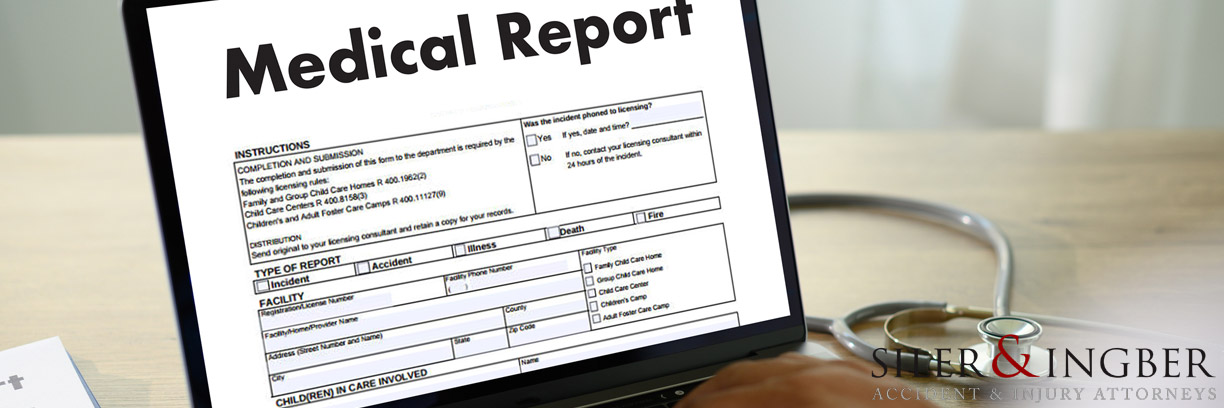
After a serious accident, the legal process often begins long before a lawsuit is ever filed. From the moment an injured person seeks treatment, a paper trail begins to form, and hospital records, physician notes, imaging scans, prescriptions, and follow-up appointments can later become important pieces of evidence. For injury victims in New York City and Long Island, strong medical documentation can make a significant difference when pursuing compensation, as insurance companies rarely rely on verbal statements alone when evaluating a claim. Instead, they typically look for clear records that show how the injury occurred, the treatment required, and the ongoing impact on a person’s life. In this latest article, we explore the importance of medical records and what you need to ensure you have the strongest case possible. Why Medical Records Matter in Personal Injury Cases Medical records help create a timeline that directly links your injuries to the accident. When doctors, nurses, or specialists evaluate an injury, they often record symptoms, pain complaints, physical limitations, diagnoses, and treatment recommendations, which help establish both the severity of the injury and its impact on the victim’s daily life. Insurance companies and defense attorneys often review records carefully for essential information, such as the date treatment began, whether symptoms were reported immediately, the type of injuries diagnosed, and the recovery progress over time. One issue that frequently arises in accident cases is delayed treatment, with many people waiting days or even weeks before seeking medical attention because they initially believe their injuries are minor. When you delay seeking help, insurance companies may use that to argue that your injuries were unrelated to the accident or that the condition could not have been serious if treatment was postponed. That is why seeking prompt medical attention to establish a clear connection between the accident and the injury is vital. Important Types of Medical Evidence There is a wide range of documentation that you can use to support your personal injury claims. Hospital records are usually the most important, but they only help to form one piece of a much larger picture. For example, diagnostic imaging such as MRIs, CT scans, and X-rays can provide objective evidence of fractures, herniated discs, nerve damage, or internal injuries, while physician treatment notes may document mobility limitations, pain levels, and the need for ongoing care. Physical therapy records can also become valuable evidence because they show how injuries continue to affect movement and day-to-day activities over time. In more serious cases, surgical reports, rehabilitation records, and specialist evaluations may collectively demonstrate the long-term impact of an injury. Mental health treatment records may also play a role in certain claims, and it is common for accident victims to experience anxiety, depression, sleep disturbances, or post-traumatic stress following a traumatic event. Documentation from counselors or psychologists may help support emotional distress claims connected to the accident. Insurance adjusters often examine treatment history closely when evaluating claims, and gaps in treatment, missed appointments, or inconsistencies in reported symptoms can sometimes be used to challenge the seriousness of an injury. For example, if someone reports severe back pain months after an accident but made no earlier complaints regarding that injury, insurers may question whether the condition is actually related. That is why consistency matters throughout the recovery process, and accident victims should provide accurate information to healthcare providers regarding how the accident occurred, any areas of pain or discomfort, any physical limitations, and any changes in symptoms over time. Other Evidence that can Strengthen a Personal Injury Claim While medical records are often central to a case, additional forms of evidence can also be used to support your position. Photographs from the accident scene, surveillance footage, witness statements, police reports, and employment records may all help establish liability and damages. In some cases, injury victims also keep personal journals documenting their recovery process. Notes describing pain levels, missed family activities, sleep difficulties, or emotional struggles can sometimes help demonstrate how the injury affects daily life beyond medical treatment alone. How Insurance Companies Review Medical Records Insurance companies generally look for ways to limit payouts whenever possible, and medical records are often reviewed not only to confirm injuries exist, but also to identify potential weaknesses in a claim. Adjusters may argue that the injuries were pre-existing, certain treatment was unnecessary, the recovery timeline seems excessive, or symptoms are inconsistent with the accident. This is one reason why thorough and organized medical documentation can become so important: records that clearly show ongoing treatment, physician recommendations, and objective diagnostic findings are often more difficult for insurers to dispute. Some personal injury claims involve injuries that require expert medical analysis, and Doctors and medical specialists may be asked to provide opinions regarding the cause of the injury, future medical treatment needs, whether there is any permanent disability or long-term pain and impairment, and an estimate of future medical costs. These opinions often become particularly important in cases involving traumatic brain injuries, spinal cord damage, permanent disability, or chronic pain conditions. Expert testimony can help explain complex medical issues to insurance companies, judges, or juries and may significantly influence the value of a claim. Helping You Build a Strong Case from the Start Strong personal injury claims are often built on clear and consistent evidence collected from the beginning of the recovery process, and every doctor’s visit, diagnostic test, therapy session, and medical evaluation contributes to the overall picture of how an accident has affected someone’s life. Here at Siler & Ingber Accident & Injury Attorneys, we understand the importance of strong documentation, which is why our team is on hand to help you build the strongest case possible from the very start. We work closely with personal injury victims from across New York City and Long Island, providing expert advice and helping preserve evidence, gather documentation, and build your case. If you have been injured and want to speak to an experienced attorney, get in touch for a free consultation. Siler & Ingber Accident
Read More