How Long Does A Personal Injury Case Take In New York?

One of the most common questions people have after an accident is how long their case will take. Whether it’s a car crash in Queens, a slip and fall in Nassau County, or a construction injury in Manhattan, the idea of a long and drawn-out legal process can often feel overwhelming, especially when you just want to focus on recovering. The honest answer is that every personal injury case is different, and the time frame will depend on a wide range of factors. In this latest article, we thought we would take a closer look at the rough timeline for personal injury claims so you can set realistic expectations and minimize frustration. The early stages of a personal injury case The first phases of any personal injury case focus on recovery and documentation. After an accident, the first thing that you should do is seek medical attention. Not only does this ensure your health, but it also forms the foundation of a claim. During this period, your medical providers will document your injuries, create a treatment plan, and track your progress. This information becomes an essential part of your evidence and will help to determine the value of the case. It is also important that you supplement this information with additional insights, such as accident reports, photos, witness statements, and any available video footage. These early stages can last anywhere from a few weeks to several months, depending on the severity of the injuries. It is advisable to wait until you have reached maximum medical improvement, which is the point where your condition has stabilized, before you progress with your settlement. Filing the claim in a personal injury case Once the necessary documentation is in place, a claim is typically submitted to the insurance company. This includes a demand package outlining the facts of the case, the extent of injuries, and the compensation being sought. Insurance companies do not process these claims overnight, and adjusters will review medical records, evaluate liability, and often conduct their own investigation first. This process can also involve reviewing accident reports, interviewing witnesses, and analyzing available evidence. This stage may take several weeks to a few months, while in more complex cases, the review process can take even longer. Negotiation stage of a personal injury case Once they have reviewed the claim, the insurance company will usually respond with an initial settlement offer. This offer is often lower than the case may ultimately be worth, with insurers hoping claimants will accept a quick settlement. However, negotiation is a normal part of the process, and both sides may go back and forth, presenting additional evidence, clarifying medical findings, and adjusting expectations. Straightforward cases with clear liability and moderate injuries may settle relatively quickly at this stage, but if there are disagreements about fault, the seriousness of injuries, or the value of damages, negotiations can take several months. When a lawsuit becomes necessary If a fair settlement cannot be reached through negotiation, the next step may be filing a lawsuit. This doesn’t necessarily mean the case will go to trial, but it does move the process into a more formal legal phase. Once a lawsuit is filed, both sides enter what’s known as the discovery phase, where each side exchanges information, conducts depositions, and gathers additional evidence. Discovery can take several months to over a year, depending on the complexity of the case and the court’s schedule. In busy areas like New York City and Long Island, court backlogs can sometimes further extend timelines. Trial vs. Settlement It’s important to note that most personal injury cases do not actually go to trial. Even after a lawsuit is filed, many cases settle before reaching the courtroom. As more evidence is exchanged and both sides gain a clearer understanding of the case, settlement discussions often continue. If a case does go to trial, it can add significant time, sometimes a year or more, depending on court availability and the complexity of the case. What can affect case duration? Several factors can influence the length of your case, and the severity is one of the biggest. More serious injuries typically require longer treatment periods, which can delay settlement until the full extent of the injury is understood. Liability is another major consideration, and if fault is disputed, additional investigation and negotiation are usually required. The number of parties involved can also impact timing, with cases involving multiple drivers, businesses, or government entities often taking longer to resolve. Some straightforward cases may settle in as little as three to six months, particularly if injuries are minor and liability is clear, while more moderate cases often take six months to a year to resolve. Complex cases involving serious injuries, disputed fault, or litigation can take one to three years or longer. While it’s natural to want a quick resolution, especially when bills are piling up and life has been disrupted, settling a case too early can lead to problems down the line. Once a settlement is accepted, it is typically final, meaning if additional medical issues arise later or if recovery takes longer than expected, there is usually no opportunity to seek additional compensation. That is why you should take the time to fully understand the extent of your injuries and damages before agreeing to anything. Get the help you need One of the best ways to reduce stress during a personal injury case is to stay informed, and understanding where your case stands and what comes next can make the process feel more manageable. That is why it is essential you work with an experienced legal team, who will help streamline the process, handle communication with insurance companies, and ensure your case stays on track. Here at Siler & Ingber Accident & Injury Attorneys, our experienced team works with clients across New York City and Long Island, supporting them every step of the way in their personal injury claims. From initial case evaluation through to negotiation and, if necessary, litigation,
Premises Liability In New York: Slip, Trip, and Fall Claims Explained

The thing about accidents is that they can happen anywhere at any time. Whether you’re in a grocery store, lobby, parking lot, or even on an icy sidewalk, in busy areas like New York City and Long Island, it can be very easy to have a simple slip, trip, or fall. In most cases, these will likely result in nothing more than a little embarrassment, but they can sometimes cause serious injury. When this occurs, it falls under an area of law known as premises liability. While this may sound technical, the concept is pretty straightforward: property owners have a responsibility to maintain safe conditions for the people who use their property, and when they fail to do so and someone is injured, they may be held legally responsible. Understanding how premises liability works in New York can help injured individuals recognize their rights and determine whether they may have a valid claim, so we thought we would take a closer look. What is Premises Liability? Premises liability refers to the legal responsibility property owners and occupiers have to maintain reasonably safe conditions on their property. This applies to many different types of locations, including apartment buildings, retail stores, restaurants, office buildings, parking garages, and private homes. Under New York law, property owners are expected to address hazards that they know about, or should know about, within a reasonable period of time. If they fail to correct or warn visitors about dangerous conditions, they may be liable if someone is injured as a result of a slip, trip, or fall. Common Causes of Slip, Trip, and Fall Accidents Slip-and-fall accidents can occur for many reasons, but are often due to a hazardous condition left unaddressed. One of the most frequent causes is a wet or slippery floor, usually due to spills, freshly mopped surfaces, or leaks. In colder months, snow and ice on sidewalks or entryways are also common hazards throughout NYC and Long Island. Another major issue involves uneven walking surfaces. Cracked sidewalks, loose tiles, damaged flooring, or poorly maintained stairways can easily cause someone to trip, while dim lighting in hallways, stairwells, or parking garages can make these hazards even more dangerous. Obstructions in walkways also contribute to many trip-and-fall accidents, with boxes left in aisles, electrical cords stretched across floors, or cluttered pathways often creating dangerous conditions for customers, tenants, or visitors. Common Injuries from Slips and Falls Slips, trips, and falls can happen for all sorts of reasons, so injuries can vary considerably depending on the circumstances. However, some of the most common injuries include broken bones, sprained or torn ligaments, and head injuries, while in more severe cases, falls could even lead to spinal injuries, hip fractures, and traumatic brain injuries. Older adults are often more vulnerable to severe injuries from falls, but people of all ages can experience significant harm when a dangerous property condition causes an accident. Proving Liability in a Premises Liability Claim Not every slip or trip automatically results in legal responsibility for a property owner. In order to pursue a premises liability claim in New York, certain elements must generally be established, and first, it must be shown that a dangerous condition existed on the property. This could involve evidence such as photographs, maintenance records, or witness statements. Second, it must be demonstrated that the property owner either knew about the hazard or should reasonably have known about it. This concept is often referred to as constructive notice; for example, if a spill remained on a grocery store floor for a long time without being cleaned, the store may be considered to have constructive notice of the danger. Finally, the hazardous condition must have directly caused the injury, and medical records and accident reports can help connect the fall to the injuries that followed. Because each case is different, gathering and preserving evidence soon after an accident can be extremely important. The Importance of Documentation If you are injured in a slip, trip, or fall accident, taking steps to document the situation can help protect your rights. Photographs of the hazard, whether it’s a wet floor, broken step, or icy walkway, can provide valuable evidence of the condition at the time of the accident, while reporting the incident to the property owner or manager creates an official record that the event occurred. Medical treatment should also be sought as soon as possible, as medical records not only help ensure proper care but also provide documentation linking the injury to the accident. Witnesses who saw the fall or the hazardous condition can also help clarify what happened. Time Limits for Filing a Claim Like all personal injury claims, premises liability cases are subject to legal deadlines. In New York, the statute of limitations for most personal injury claims is generally three years from the date of the accident. However, if the accident occurred on government property, such as a public sidewalk maintained by a municipality, additional notice requirements may apply, sometimes within as little as 90 days. Because these timelines can vary depending on the circumstances, acting promptly is important, and waiting too long can make it harder to gather evidence and may limit your legal options. Understanding Your Rights Slip, trip, and fall accidents may seem like everyday incidents, but when unsafe property conditions are involved, they can have serious consequences. Premises liability laws exist to encourage property owners to maintain safe environments and to provide a path to recovery when negligence causes harm. By understanding how these claims work, injured individuals can better protect their health, rights, and financial future. Recovering from a fall can involve more than just physical healing. Medical expenses, lost income, and ongoing treatment can create financial pressure for injured individuals and their families, and an experienced personal injury attorney can review the details of an accident, determine whether premises liability laws may apply, and help you pursue the compensation you deserve. Our legal team here at Siler & Ingber Accident & Injury Attorneys
8 Common Personal Injury Claim Mistakes That Hurt Your Case

Whether it’s an automotive crash at a busy intersection, a fall on an icy sidewalk, or an injury inside a store you visit every day, accidents can happen to anyone. That is why knowing what to do during a personal injury claim is not only essential to ensuring that you get the support and compensation that you deserve, but also to help ease the stress and worry that comes from juggling doctor visits and dealing with insurance companies. In the swirl of activity that usually follows an accident, it can be easy to make what seems like a small decision but has a long-term consequence. What you say, when you seek treatment, and how you document your injuries all matter more than most people realize, and when insurance companies evaluate cases carefully, even minor missteps can affect how your claim is viewed and valued. In this latest article, we thought we would explore some of the most common mistakes people make when making a personal injury claim. Waiting too long to seek medical treatment One of the most damaging mistakes people make is delaying medical care after an accident. It can be very common to think to yourself, “I’ll see how I feel tomorrow,” and push back seeking treatment until the next day. However, from a medical standpoint, early evaluation helps detect hidden injuries like concussions, soft tissue damage, or internal trauma, while from a legal standpoint, it creates a clear connection between the accident and your injuries. Insurance adjusters often argue that delays in treatment suggest the injury either wasn’t serious or wasn’t caused by the accident at all. Even a gap of several days can raise questions, which is why prompt medical documentation strengthens your claim from the very beginning. Failing to follow through with treatment While starting treatment is important, finishing is just as critical. That is why, if your doctor recommends physical therapy, specialist visits, or follow-up appointments, it is vital that you attend, as skipping sessions can weaken your case. Insurance companies frequently review medical records looking for missed appointments or long gaps in care, and if they find some, they may argue that if you stopped treatment, you must have recovered. So even if you’re feeling better, it’s wise to follow your physician’s guidance and formally complete care, as consistency in treatment shows that you took your recovery seriously. Not reporting the accident properly Another common mistake is failing to report the incident in a timely and appropriate way. In a car accident, that means contacting the police and filing an accident report, while in a slip-and-fall case, it often means notifying the property owner or manager and creating a written incident report. Without official documentation, insurance companies may question whether the event occurred as described. The sooner an accident is documented, the harder it becomes for an insurer to dispute the basic facts. Giving recorded statements too early Insurance adjusters often request recorded statements shortly after an accident, and while they may present it as routine, these conversations are usually carefully structured. Injured individuals sometimes provide detailed answers while still shaken, medicated, or unsure about the full extent of their injuries, and offhand comments like “I’m okay,” or estimates about speed and distance can later be used to minimize your claim. It’s important to understand your rights before giving formal statements, especially to the opposing party’s insurer, and to ensure clear, thoughtful communication. Posting about the accident on social media While it is very natural to update friends and family after an accident, posting about it on social media can become a hidden hazard in personal injury cases. Insurance companies regularly review public posts, and a smiling photo at a family gathering or a short outing can be mischaracterized as proof that injuries aren’t serious. Even unrelated posts can be taken out of context, so if you’re pursuing a claim, limiting social media activity (or adjusting your privacy settings) can help protect your case. Underestimating the value of your claim Some people assume their injuries are only minor and will accept a quick settlement offer just to move on. However, the full impact of an injury isn’t always clear right away, and lingering pain, extended therapy, reduced earning capacity, and future medical needs may not be obvious in the first few weeks. Once you accept a settlement, you typically cannot reopen the claim later, even if complications arise. That is why you should not rush and instead take the time to understand the long-term implications of your injury to ensure you’re not settling for less than you deserve. Ignoring deadlines Every personal injury claim in New York is subject to legal deadlines known as statutes of limitations. In many cases, you have three years from the date of the accident to file a lawsuit; however, claims involving government entities may require action within 90 days. Missing a filing deadline can permanently bar your claim, regardless of its merits, and insurance negotiations do not pause these deadlines, so it’s vital that you keep track of timelines to preserve your rights. Failing to document damages Strong claims are supported by strong evidence, so make sure you keep clear records of items such as medical bills, prescription costs, lost wages, travel expenses, repair estimates, and written communications. Without these, even legitimate expenses can be disputed or undervalued, making it harder to secure your compensation. Protect Your Case From the Start Personal injury claims aren’t just about proving you were hurt, but demonstrating how the injury happened, how it affected your life, and why compensation is justified. Small oversights can create unnecessary obstacles, while careful, informed decisions can strengthen your position. If you’ve been injured, taking the right steps early by seeking prompt care, documenting everything, understanding deadlines, and getting reliable guidance will help you protect both your health and your legal rights. Our team here at Siler & Ingber Accident & Injury Attorneys works with injury victims across NYC and Long Island, helping them to
Understanding the Statute of Limitations for Personal Injury in NY

When you’re recovering from an accident, time can often feel like it has slowed down. Equally, medical appointments, insurance calls, missed work, and physical pain often feel relentless and all you can focus on, meaning important activities like filing a lawsuit are the furthest thing from your mind. However, in New York, time doesn’t actually slow down when it comes to your legal rights. In fact, one of the most important rules that affects personal injury claims is something many people don’t think about until it’s too late: the statute of limitations. Understanding these timeframes is essential to getting the compensation you deserve. What is a Statute of Limitations? In the simplest terms, a statute of limitations is a legal deadline that sets the maximum amount of time you have to file a lawsuit after an injury occurs. If you miss that deadline, the court will almost always dismiss your case, no matter how strong the evidence or how serious your injuries may be. These time limits exist to ensure fairness, as over time, evidence can disappear, memories can fade, and witnesses can become harder to locate. The law encourages injured individuals to act within a reasonable window; however, “reasonable” has a specific legal meaning, and in New York, it depends on the type of case. The General Rule in New York Personal Injury Claims For most personal injury cases in New York City, such as car accidents, slip-and-fall accidents, or negligence claims, the statute of limitations is generally 3 years from the date of the accident. This deadline applies to filing a lawsuit, not simply filing an insurance claim, which means that negotiations with your insurer will not pause or extend the statute of limitations. If the deadline passes while you are still in discussions, then your ability to sue may be permanently barred. Different Deadlines for Different Cases Although three years is a general rule of thumb, some cases have shorter deadlines that you need to be aware of. For example, a claim involving government entities will often require special action, and if your injury involved a city vehicle, a public bus, a municipal building, or unsafe conditions on government property, you may need to file a Notice of Claim within as little as 90 days of the incident. Medical malpractice cases also usually follow a different timeline. This is typically measured from either the date of malpractice or the end of continuous treatment for the condition. Wrongful death cases also have their own statute of limitations, which is usually measured from the date of death rather than the accident itself. When Does the Clock Start? When it comes to the statute of limitations around personal injury cases, the clock starts from the date the injury occurs. However, there are some exceptions in certain situations where the countdown might not begin immediately. For example, in cases involving delayed discovery, such as exposure to toxic substances, the time limit begins when the injury was discovered or reasonably should have been discovered. What Happens if you Miss the Statute of Limitations Deadline in New York? If a lawsuit is filed after the statute of limitations has expired, the defendant may ask the court to dismiss the case. Judges will tend to enforce these deadlines strictly, and even if liability is clear and injuries are significant, there is rarely any exception unless a very specific legal basis exists. Once a case has been dismissed on statute of limitations grounds, the claim cannot be revived. That is why timing is crucial to ensuring your rights are protected and that you can claim the compensation you deserve. While three years can sound like a long time, building a strong personal injury case takes a lot of preparation. Evidence needs to be gathered, witnesses contacted, medical records collected, and liability analyzed, which is why acting early is crucial. The sooner you act, the stronger your negotiating power will be. Insurance companies will know when a statute of limitations is approaching, and if they believe time is running out, they may strategically delay discussions. Special Considerations for Minors and Incapacitated Individuals In some cases, the statute of limitations may be paused, or “tolled”, for minors or individuals who are legally incapacitated at the time of the injury. For example, in some situations, if a child is injured, the clock may not begin running until they reach adulthood. However, these rules have exceptions and additional procedural requirements, and due to these nuances, they should never be relied on without careful review by an experienced legal team. Protecting Your Right to Compensation Understanding the statute of limitations in New York is incredibly important, not only to ensure that your case is not dismissed but also to give every opportunity to recover compensation for medical expenses, lost wages, and long-term harm. We know that when you are recovering from an accident, seeking compensation is not always at the forefront of your mind. You are naturally focused on healing and getting your life back on track. That is why our team at Siler & Ingber Accident & Injury Attorneys is here to support you every step of the way, so you can focus on your health. Our attorneys have the knowledge and experience to handle everything for you, from navigating deadlines to filing claims and pursuing compensation. We will ensure that your legal rights remain protected. Want to find out more about our range of services and how we can help you? Contact our team today for your free consultation. Siler & Ingber Accident & Injury Attorneys The Law Firm You Can Trust When It Matters Most Offices: 301 Mineola Blvd., Mineola, NY 11501 Phone: (516) 294-2666 Website: https://www.nylawnet.com/ Email: ringber@nylawnet.com Serving clients across New York City and Long Island. No fee unless we win your case.
New Year, New Risks: New York Slip and Fall Injuries, Car Crashes, and Your Legal Rights
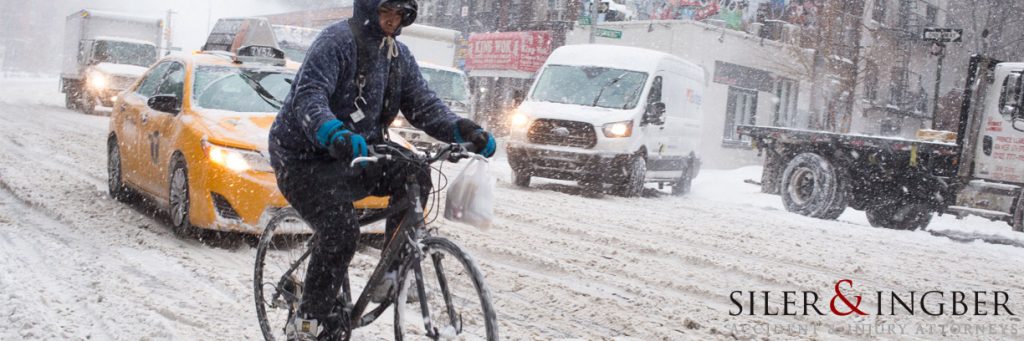
Winter Injuries in New York: What You Need to Know After a Slip, Fall, or Accident Winter in New York means more than cold weather and snowy streets. It is also one of the riskiest times for personal injuries. As the year starts, icy sidewalks, low visibility, and busy roads increase the risk of accidents. Hidden black ice, car crashes, and workplace injuries all become more common in winter. Knowing how these accidents happen, who might be responsible, and what to do next can help protect your health and your legal rights. Common Winter Accidents in New York Slip-and-Fall Accidents on Ice and Snow Slip-and-fall accidents are some of the most common winter injuries in New York. Snow, refrozen slush, and black ice can make sidewalks, parking lots, building entrances, and stairs very dangerous. Black ice is a thin, clear layer that is hard to spot. These falls often cause serious injuries like broken bones, head injuries, spinal damage, torn ligaments, or lasting back pain. Even a fall that seems minor at first can have major effects. Winter Car Accidents Driving in winter is much riskier. Snow, sleet, fog, and early darkness make it harder to see and stop in time. In New York, crashes often happen on highways like the BQE and FDR, as well as on local and residential streets. The holiday season brings more traffic, rushed drivers, and sometimes alcohol use, which leads to more crashes. Even careful drivers can get hurt if others do not drive safely in winter conditions. Pedestrian Accidents Pedestrians face heightened risks during the winter months. Slipping on icy sidewalks can cause individuals to fall into traffic, while vehicles may slide through intersections or lose control in parking lots. Pedestrian accidents often result in severe injuries due to the lack of physical protection. Workplace Injuries During Winter Workplace injuries also go up in winter. Retail and warehouse workers get more lifting injuries and cuts during the busy holiday season. Construction workers face extra risks from icy scaffolding, ladders, and roofs. Employers must keep work areas safe, even when the weather is bad. Factors That Contribute to Winter Accidents Several factors combine to make winter especially dangerous in New York: Black ice that forms overnight and blends into the pavement Snow and slush that refreeze after partial melting Poor visibility caused by fog, snowfall, and shorter daylight hours Increased traffic due to holiday travel and shopping Alcohol consumption during holiday celebrations Lack of property maintenance, including unshoveled or untreated walkways When property owners or drivers fail to take reasonable precautions, they may be held legally responsible for resulting injuries. Property Owner Responsibility and Liability in New York In New York, property owners must keep their property safe. They need to remove snow and ice soon after a storm and try to stop it from refreezing. If sidewalks, entrances, or parking lots are not treated, owners may be responsible for any injuries. Insurance companies may say that winter weather cannot be avoided. But bad weather does not excuse neglect. If the property is not cared for, owners can still be held responsible. Insurance Companies and Winter Accident Claims After a winter accident, insurance companies often blame the weather to deny or reduce claims. They may use tactics like: Claiming the incident was an “act of nature.” Arguing that you should have been more careful. Stating that the property owner did not have enough time to address the hazard. Requesting excessive proof to delay or deny payment. These arguments can often be misleading. Winter weather matters, but not salting, shoveling, or driving safely; who is at fault is still a big part of it. Employer Responsibility. Employers must follow OSHA rules to keep workplaces safe. If someone is injured by icy floors, unsafe loading, or other hazards, they may be eligible for workers’ compensation. Sometimes, a property owner or contractor can also be responsible. Workplace Injuries and Employer Responsibility Employers are required under OSHA regulations to provide a reasonably safe working environment. If icy floors, unsafe loading conditions, or unaddressed hazards cause an injury, workers may be entitled to workers’ compensation benefits. In some cases, a third party, such as a property owner or contractor, may also be liable. What to Do After a Winter Slip, Fall, or Accident Seek Medical Attention Immediately Your health should always come first. Even if injuries appear minor, seek medical care right away. Concussions, internal injuries, and soft tissue damage may not be immediately apparent. Prompt treatment also creates critical medical documentation. Document the Scene If possible, take photos of the hazardous condition that caused your injury. Capture both close-up images of the ice, snow, or defect, and wider shots of the surrounding area, such as building entrances or street signs. These details help establish where and how the accident occurred. Gather Witness Information Witness statements can be crucial in proving liability. Collect names and contact information from anyone who saw the accident. Report the Incident Notify the property owner, manager, employer, or police, depending on the type of accident. An official report can serve as significant evidence. Understand Your Legal Rights New York’s No-Fault insurance system can be complex, especially when serious injuries are involved. While No-Fault covers basic medical expenses after car accidents, it does not always compensate for pain and suffering or long-term losses. Legal guidance is often necessary to pursue full compensation. When Winter Turns Your Life Upside Down Black ice, unshoveled walkways, and unsafe winter conditions can turn a simple trip into a serious injury. Knowing your rights and who might be responsible can help you recover. As a trusted Long Island law firm, we know how hard winter injuries can be. Coping with pain, lost income, and insurance issues is stressful. We handle the legal side so you can focus on getting better. Siler & Ingber Accident & Injury Attorneys The Law Firm You Can Trust When It Matters Most Offices: 301 Mineola Blvd., Mineola, NY 11501 Phone: (516) 294-2666 Website: https://www.nylawnet.com/ Email: ringber@nylawnet.com Serving clients
Why Hiring a Local Personal Injury Attorney Makes a Meaningful Difference

When you are injured due to someone else’s negligence, choosing the right attorney can significantly impact the outcome of your case. While national law firms may have recognizable names and extensive advertising budgets, hiring a local personal injury attorney often provides critical advantages that large, out-of-state firms cannot match. From in-depth knowledge of local laws to established community relationships and faster response times. Local representation can make a meaningful difference in both the process and the results of your claim. Below, we explore the key reasons why working with a local personal injury law firm is often the smartest choice for injured individuals. In-Depth Knowledge of Local Laws and Court Procedures Personal injury law does not fit every situation. Each state has its own statutes, legal benchmarks, and procedural rules, and even counties and municipalities can have unique ordinances that affect a case. A local personal injury attorney understands these subtleties and stays current on changes that may impact your claim. For example, in states like New York, no-fault insurance rules, statutes of limitations, and comparative negligence laws affect how personal injury cases are handled. A local attorney knows how these laws are applied in practice, not just how they read on paper. They are also familiar with local traffic regulations, construction codes, and property safety ordinances that could be directly relevant to your accident. This regional knowledge enables a local attorney to tailor your legal strategy to the specific legal environment in which your case will be heard, reducing the risk of costly missteps. Familiarity With Local Courts, Judges, and Procedures Local attorneys regularly appear in the same courts and before the same judges, clerks, and court staff. This familiarity matters. Knowing how a particular court operates, how judges tend to rule on motions, and what juries in the area respond to can form a more effective case strategy. Out-of-state or non-local attorneys may not have the same level of comfort or credibility in a local courtroom. They are less likely to understand courtroom expectations or local norms, which may affect everything from scheduling to settlement negotiations. A local attorney, by contrast, is able to navigate the court system smoothly and confidently. Strong Community Reputation and Credibility Reputation is a powerful asset in the legal profession. Local personal injury attorneys depend on their standing within the community, and that reputation is built via reliable ethical conduct, strong legal skills, and positive client outcomes. Judges, opposing counsel, insurance adjusters, and even jurors are often familiar with well-respected local attorneys. This credibility can lead to smoother negotiations and, in some cases, more favorable settlement discussions. Attorneys with strong local reputations are often taken more seriously than out-of-town firms that lack established confidence within the community. In contrast, some prominent national firms handle an overwhelming volume of cases, limiting their ability to invest in community relationships or personalized advocacy. Established Relationships With Key Local Professionals Personal injury cases often require expert support, including: Accident reconstruction specialists Medical professionals and treating physicians Rehabilitation experts Private investigators Vocational and financial experts Local attorneys typically have long-standing relationships with trusted professionals in these fields. These connections allow them to quickly assemble a credible team to support your claim and offer persuasive evidence. Additionally, local attorneys may already have professional relationships with police officers, traffic investigators, or other officials involved in your case. While these relationships do not guarantee outcomes, they can facilitate communication and help ensure the case moves forward smoothly and fairly. Familiarity With Opposing Counsel and Insurance Tactics An additional major benefit of hiring a local personal injury attorney is their familiarity with opposing counsel. Local attorneys regularly confront the same defense attorneys and insurance company representatives repeatedly. Over time, they gain insight into opposing counsel’s negotiation styles, strengths, weaknesses, and strategies. This familiarity allows your attorney to anticipate tactics, prepare stronger counterarguments, and negotiate more effectively on your behalf. An attorney who understands how the other side operates is better positioned to protect your interests and pursue maximum compensation. Faster Evidence Preservation and Investigation In personal injury cases, time is critical. Physical evidence can be altered, surveillance footage can be erased, and witness memories can fade. Local attorneys have the advantage of proximity, allowing them to act quickly when evidence needs to be preserved. A local firm can quickly visit accident scenes, photograph the scene, secure nearby video footage, and interview witnesses while details are still fresh. This rapid response is frequently tricky for out-of-town attorneys to match and can markedly alter the strength of your case. Personalized Service and Accessibility Perhaps one of the most overlooked benefits of hiring a local attorney is personalized service. Local firms typically handle fewer cases than national firms, allowing them to devote more time and attention to each client. You are more likely to meet directly with your attorney, ask questions, and receive updates from the same legal team throughout your case. Face-to-face meetings are easier to schedule, communication is more direct, and your attorney gains a greater insight into your situation. This level of accessibility often provides clients with greater comfort and reassurance during an already stressful time. The Local Advantage Matters Choosing a personal injury attorney is one of the most important decisions you will make after an accident. While national firms may offer scale, local personal injury attorneys provide insight, relationships, responsiveness, and customized advocacy that can greatly affect the outcome of your case. By grasping local laws, navigating local courts, harnessing community connections, and acting quickly when it matters most, a local attorney is uniquely positioned to protect your rights and pursue the compensation you deserve. When your future is at stake, local experience serves as more than an advantage; it is a necessity. Siler & Ingber Accident & Injury Attorneys The Law Firm You Can Trust When It Matters Most Offices: 301 Mineola Blvd., Mineola, NY 11501 Phone: (516) 294-2666 Website: https://www.nylawnet.com/ Email: ringber@nylawnet.com Serving clients across New York City and Long Island. No fee unless we win your case. In-Depth Knowledge of
Medical Mishaps & Your Money

If you visit a hospital or clinic, you hope you’ll feel better when you leave, free from extra problems, bugs or financial issues. Unfortunately, mistakes in medicine are much more prevalent than we like to imagine and these errors may cause terrible damage to health, finances and emotions. Our firm believes it is wrong for individuals to face damages because of another’s lack of care. It is in this situation that an experienced personal injury lawyer is important. What You Should Know About the Real Consequences of Medical Mistakes A major cause of both injury and death in the U.S. is medical errors. They can include problems such as treatment errors, wrong surgery, mistaken drug amounts and late treatment. Apart from injuries, the costs can rise fast, including extra hospital visits, multiple specialist meetings, needed therapy, no income earned due to time away from work and extended care. Even more challenging, some insurance providers reject or reduce the value of claims, leaving those affected needing to find a way out of complex problems on their own. Why should you engage a personal injury lawyer? Your case isn’t limited to form filling; with a personal injury lawyer, you share an advocate, an investigator and a planner. These cases need knowledge of medicine and the medical practice rules as well as law. An expert personal injury lawyer can spot when someone is negligent and collect the necessary proof. You have the chance to be compensated for more than what you spent on medical bills. In your claim, you may mention your medical bills, emotional issues, lost wages, and pain and suffering. A lawyer understands how to include everything in the negotiation. Insurance Adjusters are set up to lessen the amount of payout made. They defend you by speaking the way they do and negotiating for your best interests. You won’t pay personal injury lawyers before they have won your case. So, you do not have to pay legal fees when you seek justice. Most importantly, having a lawyer allows you to concentrate on your healing and wellbeing. Allow a person who specializes in law to take care of the burden while you recover. Don’t procrastinate; time is important. Generally, in New York, the time limit to bring a medical malpractice claim is two and a half years, but some exceptions can be made. Waiting too long can harm your situation or stop you from filing altogether. If you see a lawyer soon after the accident, you stand a better chance of getting what’s fair. NYLawnet is a Legal Support System At NYLawnet, we bring you in contact with confirmed specialists in medical malpractice. With either a mistake in surgery or misdiagnosis, our legal team is on hand to support you straight away and without charging a cent upfront.
Pedestrian Justice in the City That Never Sleeps

It isn’t unknown that New York City is largely a pedestrian city with bright lights and nonstop energy surging. Millions of residents and tourists walk up and down these sidewalks, oftentimes, walking is the speedier and simply the typical New York City way of moving around. But in the midst of it all, stands a pressing concern: pedestrian safety. Thinking life was fast for the people in the city? That same life vanishes in a flash for speeding cars. Distracted driving, speeding, hitting pedestrians who have the right-of-way-or worse-yielding-to-pedestrians. Just to name a few causes for pedestrian accidents. Thousands of pedestrians were injured, there hundreds of serious and grave injuries reported-to have life-altering consequences just this year, according to the NYPD. Many of the victims also go through pains of their own, monetary concerns, emotional scars, and just the difficulty of sorting out legal issues. The concept of Pedestrian Justice is therefore critically important. Decisions involved in personal injuries are probably also going to need the assistance of a personal injury attorney. Why Legal Representation Matters After an accident, your average person has to deal with a system that seems built against his or her interest. The insurance companies will for sure try to force underground settlements. Or the driver will go clear against the allegation of fault. Or evidence, especially in a case that happens in a city like New York, can be next to impossible to gather. Those without representation run the risk of getting an unfair settlement or even getting ignored altogether. Erstwhile leaning to a decision of affect: Protection of rights: An attorney makes sure that victims realize their rights and don’t inadvertently give them away while slyly working through dockets or being pressured by insurance adjusters. Building a strong case: From security footage to pushing for eyewitnesses to identify a few, a lawyer will gather and present all available evidence to establish liability and damages. Negotiate for compensation: Medical costs, lost wages, and ongoing therapy costs-the lawyer will somehow negotiate for full and fair compensation. Litigation when necessary: Of course, if no settlement can be agreed on, he stays ready to take it to court to put the matter on the road to justice. Human Costs of Injustice Judges and juries frequently find that the pedestrian is culpable for the injuries sustained, even if it is clear that the driver was negligent. Crosswalks, traffic lights, and right-of-way laws-plus many sunset variations of these-are designed for protection of all parties, but enforcement and accountability measures remain absent, rendering their utility futile. The system of law should be there to check and balance that process. According to NYLawnet, we believe everyone in traffic deserves some justice, irrespective of how fast the city moves. Whether in the scheme of accident fallout or for questioning your legal rights, having a pedestrian accident attorney In New York in your corner is not a matter of cleverness, but rather one of survival. The city never sleeps, and neither should pedestrian justice. If you or someone close to you has been hurt in a pedestrian accident in NYC, don’t tread the legal path yourself. Contact NYLawnet to be matched with a reliable personal injury lawyer who can battle—and prevail—in the city that never sleeps
The Legal Maze of Rideshare Accidents: Navigating the Complexities of Uber and Lyft Accident Claims

The emergence of Uber and Lyft ridesharing services has altered the transit patterns in New York City. While convenience is offered with ridesharing, complications arise if one is involved in an accident. If you are in a crash sitting in a rideshare or hit by a rideshare vehicle, the matter of your rights and how you potentially seek recompense may become an exasperating judicial maze. At NYLawnet, it is our priority to unravel such complexities. Here’s what you need to understand about the legal landscape of Uber and Lyft accident claims in New York. Understanding Rideshare Insurance Tiers Uber and Lyft drivers are classified as independent contractors, not employees. However, both companies provide insurance coverage in tiers depending upon the status of the driver at the time of the accident: App Off: If the driver is not logged into the Uber application, then his/her personal insurance applies. App On, No Passenger: The driver may receive limited liability coverage from Uber/Lyft when waiting for a ride request (generally $50,000 per person, $100,000 per accident for injuries, and $25,000 for property damage). Passenger On Board or En Route: Uber/Lyft offers up to $1 million in liability coverage and property damage, as well as uninsured and underinsured motorist protection. Determining which liability tier applies, and whether an offsetting coverage is to be applied, is the first theoretical hurdle. Who’s Liable? Determination of fault in a rideshare accident does not always come about very easily. The alleged tortfeasors are: The rideshare driver Another negligent driver? Uber or Lyft (in some situations) Municipality or third party (where road defects are concerned) An experienced lawyer will probe into the facts, collect witness testimony, and consult with accident reconstruction experts to determine liability. Challenges of Filing a Claim Unlike your everyday motor vehicle accident, an Uber/Lyft claim necessarily involves multiple insurance companies, all with legal departments intent on limiting payouts. Typical challenges faced by the injured include: Disputes about whether the driver was “on the clock“ Delays in acquiring the police report, getting app data Low settlement offers Disputes about which insurance policy is primary Taking this on alone may very well ensure a denied claim, or insufficient compensation. Legal Representation Is a Must The trick to extracting maximum compensation for yourself is to gain the services of an attorney specializing in personal injury law and with an in-depth understanding of New York’s ridesharing and insurance laws. Our personal injury attorneys at NYLawnet will provide: Full case evaluation for every client Aggressive representation against insurer Access to medical experts and investigators No fees unless we win your case You have rights whether you are a passenger, a pedestrian, maybe a cyclist, or a fellow driver-they need to be protected. Take Action Today If you have been involved in an accident with an Uber or Lyft, never delay. Crucial evidence disappears with time; deadlines may be strictly enforced (for example, New York’s statute of limitations). Contact NYLawnet today for a free consultation and let us lead you through the legal maze, freeing you to get well.
New Legal Landmark: New York Court Opens Door to Dog Bite Negligence Lawsuits

In a landmark decision that significantly reshapes how dog bite cases are handled in New York, the state’s highest court has ruled that victims may now bring negligence claims against dog owners—even if the animal had no prior history of aggression. This ruling by the New York Court of Appeals marks a major departure from the state’s long-standing approach to dog bite liability, and it dramatically expands the legal rights of victims seeking compensation. What Changed? Old Legal Standard Previously, dog bite victims in New York had to meet a tough legal threshold: they were required to prove that the dog had “vicious propensities” and that the owner knew—or should have known—about those propensities. This often made it extremely difficult for victims to get justice, especially in first-time bite cases where no prior aggression could be demonstrated. New Legal Standard: Negligence-Based Liability Under the new ruling, courts will now consider whether the dog owner acted reasonably to prevent the attack. This means victims can bring forward a negligence claim by showing the owner failed to take proper precautions—such as leashing the dog, responding to signs of aggression, or taking other preventative steps. Key Implications of the New Ruling For Dog Owners This ruling places a greater responsibility on dog owners across the state. Owners must now: Ensure dogs are properly restrained in public and private spaces Monitor their pet’s behavior for signs of aggression Take proactive measures to prevent foreseeable harm to others Failing to do so could now result in legal liability—even if the dog has never bitten anyone before. For Dog Bite Victims This legal shift offers a more realistic path to compensation for many dog bite victims. You no longer need to prove a dog’s violent history to hold its owner accountable. If the owner failed to act with reasonable care, you may now have a valid negligence claim. Why This Ruling Matters This decision modernizes New York’s dog bite laws and aligns them more closely with legal standards in many other states. By shifting the focus from the dog’s past to the owner’s conduct, the court has taken a clear stance: preventable harm should not go unpunished simply because the animal had a clean record. Injured in a Dog Attack? Know Your Rights. If you or a loved one has been injured in a dog attack, it’s more important than ever to understand your legal options. At Siler & Ingber, LLP, we have decades of experience fighting for personal injury victims in New York. 📞 Call 1-877-529-4343 today for a free consultation. There are no legal fees unless we win your case.