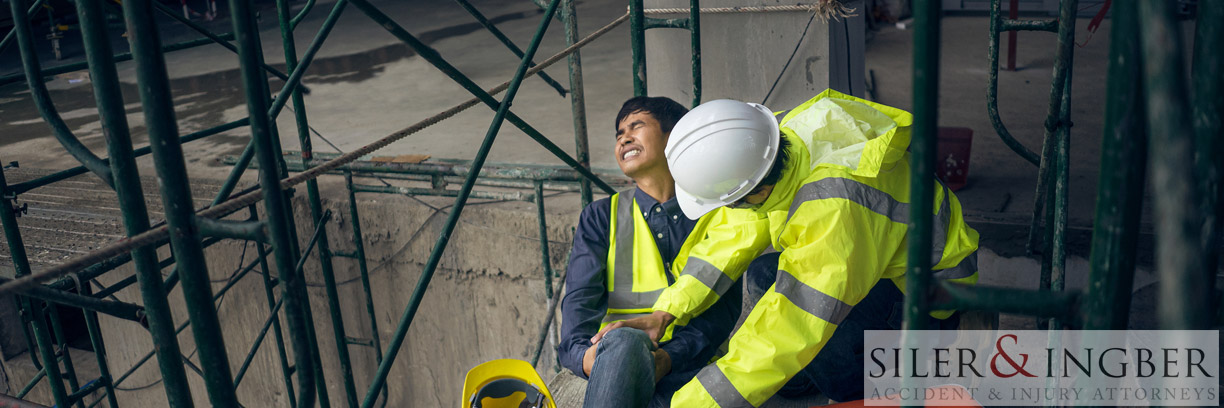
Construction work is one of the most essential and most dangerous industries in the country. Every day, construction workers operate near heavy machinery, elevated structures, unstable surfaces, hazardous materials, and fast-paced job sites. While safety regulations exist to reduce risks, accidents still occur far too often, leading to life-altering injuries, long recovery periods, and significant financial strain for workers and their families.
Understanding your rights after a construction accident is crucial. Whether you were hurt in a fall, struck by equipment, or injured due to unsafe conditions, you may be entitled not only to Workers’ Compensation benefits but also to additional compensation through a third-party personal injury claim. Knowing the difference and acting quickly can significantly impact the outcome of your case.
The Reality of Construction Site Hazards
Construction sites are inherently risky environments. Workers regularly encounter:
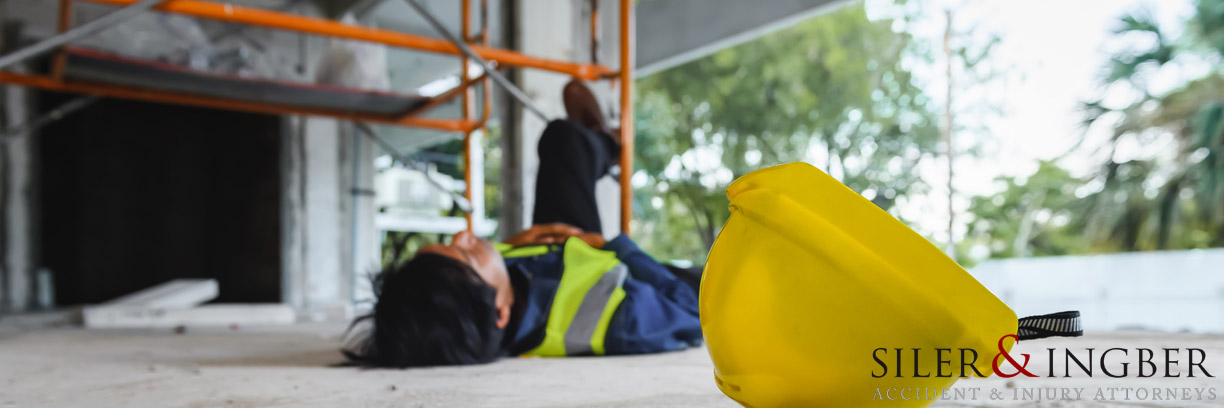
- Unstable or unsecured scaffolding
- Exposed holes, trenches, or uneven ground
- Heavy machinery operated in tight or hazardous spaces
- Falling debris or tools
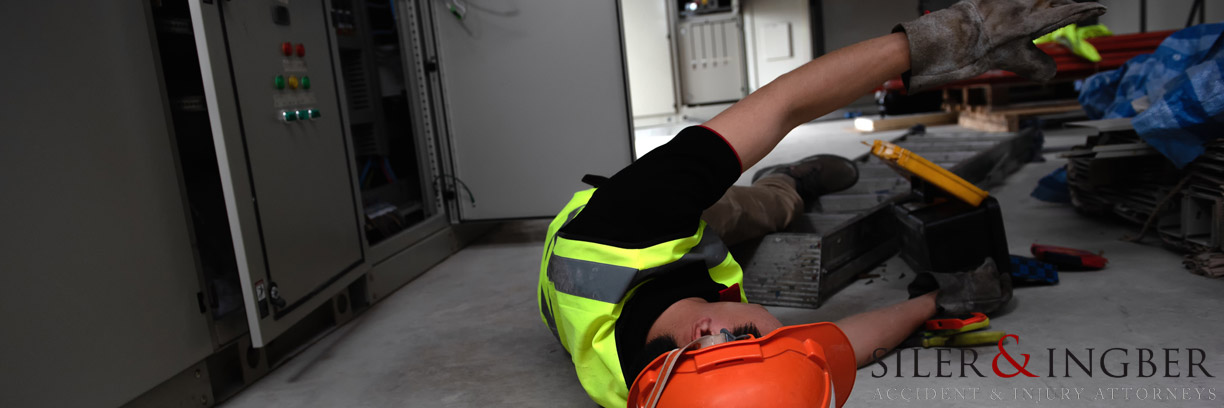
- Electrical hazards
- Slippery surfaces or cluttered pathways
These conditions often lead to severe injuries, such as:
- Traumatic brain injuries
- Spinal cord damage or paralysis
- Burn injuries
- Crushed limbs or amputations
- Fractures and orthopedic injuries
- Internal organ damage
Even with safety measures in place, accidents like scaffolding failures, lift bucket malfunctions, trench collapses, and machinery defects continue to be a leading cause of workplace injury and fatality.
Workers’ Compensation vs. Personal Injury Lawsuits: What’s the Difference?
When a construction worker is injured on the job, Workers’ Compensation is usually the first source of financial support. However, it is not always the only source and often not enough to fully compensate a seriously injured worker.
Workers’ Compensation
Workers’ Comp generally provides:
- Medical treatment
- Wage replacement -typically up to two-thirds of your average weekly wage
- Impairment or disability benefits
These benefits apply regardless of who was at fault, but Workers’ Compensation does not allow you to sue your employer for pain and suffering.
Third-Party Liability Claims
A personal injury lawsuit may be available in addition to Workers’ Compensation if someone other than your employer contributed to the accident. Examples include:
- General contractors
- Subcontractors
- Property owners
- Equipment manufacturers
- Delivery or maintenance companies
These claims allow injured workers to pursue additional damages, including:
- Pain and suffering
- Loss of future earnings
- Long-term medical care
- Emotional distress
For many construction workers, this compensation is essential for rebuilding their lives after a catastrophic injury.
How New York Labor Law Strengthens Construction Injury Claims
New York is known for having some of the strongest worker-protection laws in the nation, particularly for construction employees working at elevated heights.
Labor Law §240 (“The Scaffold Law”)
This law places absolute liability on property owners and contractors when gravity-related accidents occur, including:
- Falls from ladders, scaffolding, or roofs
- Injuries from falling tools, materials, or equipment
If proper safety equipment was not provided or if the equipment malfunctioned, the injured worker is often entitled to significant compensation.
Labor Law §241(6) and the Industrial Code
These regulations require that:
- Only competent and trained individuals operate heavy machinery
- Sites follow strict safety protocols
- Specific construction tasks meet standardized safety procedures
If your accident involved unsafe machinery, inadequate supervision, or violations of Industrial Code rules, these laws can strengthen your case dramatically.
Common Construction Accident Scenarios
Construction workers may pursue compensation for a wide range of injuries caused by:
Falls
- Unsecured scaffolding
- Lack of guardrails
- Missing or faulty harnesses
- Slippery or debris-covered surfaces
Equipment Accidents
- Malfunctioning cranes, forklifts, or lifts
- Untrained or unsupervised operators
- Missing protective guards on tools and machinery
Heavy Lifting Injuries
- Muscle tears and back injuries
- Repetitive strain from improper lifting conditions
- Lack of team lifting assistance or equipment
Unsafe Work Conditions
- Poor lighting
- Hazardous materials
- Cluttered work zones
- Inadequate signage or warnings
Each scenario type may open the door to both Workers’ Compensation benefits and third-party claims.
Steps to Take After a Construction Site Injury
Time is critical after an accident. Taking immediate action can help protect your rights and strengthen your case.
1. Report the Injury Right Away
Notify your supervisor or employer as soon as possible. Many states impose strict time limits; failing to report within the required window can jeopardize your claim.
2. Seek Medical Treatment
Always get evaluated by a medical professional, even if the injury seems minor. Medical records become essential evidence.
3. Document Everything
- Take photos of the accident scene and equipment
- Collect witness names and statements
- Save medical records, receipts, and employer communications
4. Consult an Attorney Early
An experienced construction accident lawyer can:
- Determine whether you have a Workers’ Comp claim, a third-party claim, or both
- Investigate safety violations and responsible parties
- Navigate complex laws such as New York’s Scaffold Law
- Maximize your available compensation
Comprehensive Representation After a Construction Accident
A strong legal team will examine every angle of your case. When investigating a construction accident, attorneys typically focus on:
1. The Nature of the Injuries
Understanding the full extent of your injuries, both immediate and long-term, helps determine the appropriate compensation.
2. Causes of the Accident
Identifying the root cause is essential, including:
- Equipment failures
- Human error
- Violations of state labor laws
- Unsafe worksite conditions
3. All Possible Sources of Compensation
A thorough investigation may uncover multiple liable parties. In many cases, Workers’ Compensation is just the beginning. Additional compensation may come from:
- Subcontractors
- Property owners
- Manufacturers of faulty machinery
- Delivery services or third-party vendors
Your attorney’s goal is to ensure every responsible party is held accountable. Speak to an attorney before giving any recorded statement.
Siler & Ingber Accident & Injury Attorneys
The Law Firm You Can Trust When It Matters Most
 Offices: 301 Mineola Blvd., Mineola, NY 11501
 Phone: (516) 294-2666
 Website: https://www.nylawnet.com/
 Email: ringber@nylawnet.com
Serving clients across New York City and Long Island. No fee unless we win your case.