
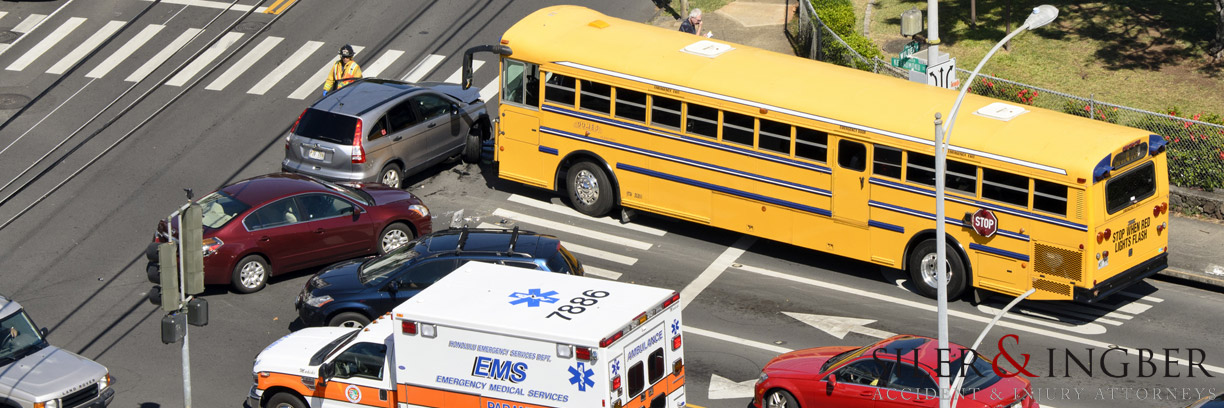
The New York City public transportation system is one of the world’s busiest, helping millions of residents and tourists move around with ease. While the vast majority of these trips proceed without incident, accidents and injuries can happen, perhaps more frequently than many realize.
When someone is injured on public transportation, one of the biggest questions is often who is responsible and whether an injury claim can be filed. However, public transit injury claims are often more complicated than standard car accident cases because they may involve government agencies, multiple insurance policies, and strict filing deadlines.
Understanding how public transit injury claims work in NYC can help you better understand your rights and what steps to take if you are injured on a subway, bus, or taxi.
Where Public Transit Injuries Commonly Occur
Public transit injuries can happen in many different places, not just during a crash. In New York City, injuries frequently occur on subway platforms, inside subway cars, while boarding or exiting buses, and during taxi rides. Subway stations can also become extremely crowded, especially during rush hour, and slip-and-fall accidents on stairs, platforms, and turnstile areas are common, particularly when floors are wet from rain or snow.
Bus-related injuries often occur when passengers are boarding or exiting the bus, when a driver begins moving before a passenger is seated, or when a driver suddenly stops to avoid traffic or pedestrians. Taxi accidents are another common source of public transit injury claims and often involve collisions with other vehicles, pedestrians, cyclists, or stationary objects.
Subway Injury Claims in NYC
The subway system in New York City is operated by the Metropolitan Transportation Authority (MTA), which is a public authority. This means that injury claims involving subways are different from typical personal injury claims, and may involve situations such as:
- Slips and falls on platforms or stairs
- Being struck by the closing train doors
- Injuries from sudden stops or jerking train movement
- Accidents caused by defective escalators or elevators
- Falling due to overcrowded platforms or trains
Because the MTA is a government entity, there are special rules and shorter deadlines for filing a claim. In many cases, a Notice of Claim must be filed within a relatively short period of time after the accident, and missing this deadline can prevent you from getting the compensation you deserve.
Bus Accident Injury Claims
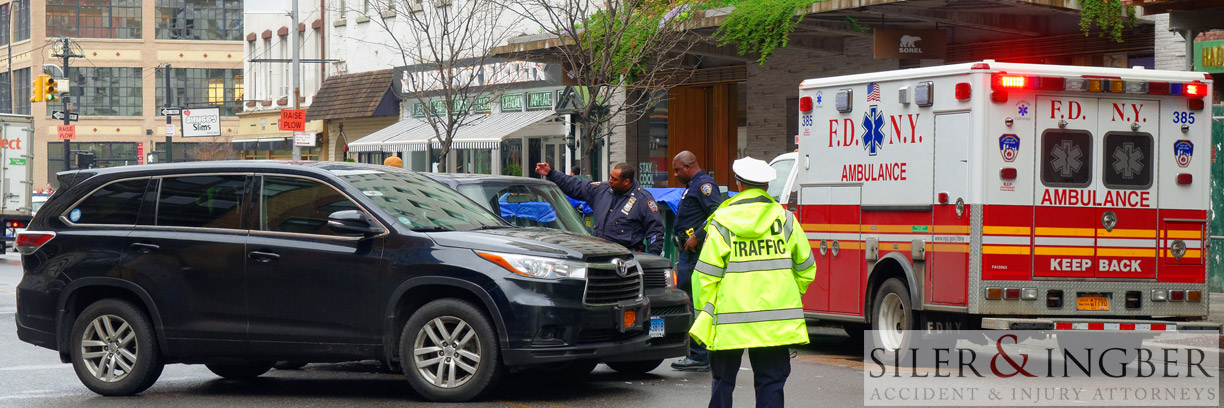
Bus accidents in NYC may involve city, private, charter, or school buses. Many city buses are also operated by the MTA, which means similar rules apply regarding claims and deadlines, and typical injuries include:
- Passengers falling when the bus stops suddenly
- Injuries while boarding or exiting the bus
- Bus collisions with other vehicles
- Pedestrians struck by buses
- Buses hitting cyclists or parked vehicles
Bus drivers are expected to operate their vehicles safely and carefully, especially since they are transporting passengers. If a driver is speeding, distracted, or driving aggressively, the transit authority or bus company may be held responsible for injuries that occur.
Taxi and Rideshare Injury Claims
Taxi accidents are slightly different from subway and bus claims because taxis are typically privately owned or operated by companies rather than government agencies. This means injury claims are often handled through insurance companies rather than municipal claim systems, and accident claims may involve:
- Collisions with other vehicles
- Pedestrians struck by taxis
- Passengers injured during sudden stops or crashes
- Injuries caused by unsafe driving
- Accidents involving rideshare vehicles like Uber or Lyft
These cases can sometimes involve multiple insurance policies, including the taxi company’s insurance, the driver’s personal insurance, and possibly other drivers’ insurance if multiple vehicles were involved. Determining which insurance policy applies can sometimes be complicated, particularly in rideshare accident cases.
How Liability is Determined in Public Transit Injury Cases
Determining liability in a public transit injury case depends on how the accident occurred. Investigations may involve reviewing accident reports, surveillance footage, maintenance records, driver records, and witness statements; for example, if someone slipped on a subway platform because a dangerous condition was not addressed, the transit authority may be responsible. If a bus driver caused an accident due to careless driving, the bus company or transit authority may be liable. If a taxi driver caused a crash, the driver and their insurance company may be responsible.
In some cases, multiple parties may share responsibility, especially in multi-vehicle accidents or situations involving unsafe road conditions or construction zones. Because public transit systems are heavily monitored, video footage and incident reports often play a major role in determining what happened.
What to do After a Public Transit Injury in NYC
If you are injured on a subway, bus, or taxi in New York City, there are several important steps you should take. First, seek medical attention as soon as possible, even if the injury does not seem serious, as some can take time to appear. The medical records are also important for any future claim.
You should report the incident immediately to the bus driver, train conductor, station agent, or police officer so that an official report is created. If possible, take photographs of the area, the vehicle, any hazards, and your injuries, and collect the names and contact information of any witnesses.
When to Speak with an Attorney
Public transit injury claims in NYC can be complicated because they often involve government agencies, strict deadlines, and multiple insurance policies. Many people are not aware that the timeline for filing a claim against a public authority can be much shorter than a standard personal injury case, which is why speaking with an experienced personal injury attorney can help you understand your rights, determine who may be liable, and ensure that important deadlines are not missed.
Our team here at Siler & Ingber Accident & Injury Attorneys helps individuals who have been injured in subway, bus, and taxi accidents throughout New York City and Long Island, guiding them through the claims process, handling communication with insurance companies, and helping them pursue compensation for medical bills, lost income, and other damages.
Siler & Ingber Accident & Injury Attorneys
The Law Firm You Can Trust When It Matters Most
 Offices: 301 Mineola Blvd., Mineola, NY 11501
 Phone: (516) 294-2666
 Website: https://www.nylawnet.com/
 Email: ringber@nylawnet.com
Serving clients across New York City and Long Island. No fee unless we win your case.