Understanding Pedestrian and Public Transit Accidents in New York City

No matter whether you are navigating the constant movement of New York City, commuting across Long Island, or traveling through any other major metropolitan area, life moves at a fast pace. With crowded sidewalks, busy intersections, and complex public transportation systems, it is no surprise that pedestrian accidents and public transit accidents remain a serious concern for residents and visitors alike. Every day, thousands of people rely on buses, subways, and commuter trains, while millions more walk through heavily trafficked areas. Unfortunately, when something goes wrong, the consequences can be severe. From rushing to catch a train to crossing a street during peak traffic hours, understanding your rights and legal options after an injury can make a significant difference in your recovery. In this guide, we explore the most common causes of pedestrian and public transit accidents, the types of injuries victims often suffer, and the essential steps to take if you are considering a personal injury claim. Bus and Subway-Related Injuries Public transportation is the backbone of daily life throughout New York City and the surrounding metropolitan region. Millions of commuters depend on systems such as the Metropolitan Transportation Authority (MTA), including city buses, subways, and commuter rail lines like the Long Island Rail Road (LIRR). These services make urban life possible, but they also introduce risks when safety standards are not properly maintained. While most journeys are uneventful, accidents can and do occur, sometimes with life-changing consequences. Because public transit vehicles carry large numbers of passengers, even a single incident can affect dozens of people at once. Common Causes of Transit Accident Injuries Public transit injuries can occur in many ways, including: Sudden stops that throw standing passengers off balance Slips and falls on wet or crowded platforms Collisions involving buses, trains, or other vehicles Malfunctions in doors, brakes, or escalators Negligent or distracted operation by transit employees When a bus or subway fails to operate safely, riders can suffer injuries ranging from minor sprains and broken bones to spinal cord injuries or traumatic brain injuries. These incidents not only disrupt daily routines but can also result in significant medical expenses, time away from work, and long-term rehabilitation needs. In more serious cases, victims may be unable to return to their previous jobs or may require ongoing care, placing emotional and financial strain on their families. Your Rights After a Transit Injury If you are injured while riding a bus, subway, or commuter train, it is important to understand that public transit authorities have a legal duty to operate responsibly and maintain safe conditions for passengers. Under New York law, injured riders may be entitled to compensation when negligence contributes to their accident. However, claims involving public agencies often follow different rules than those in standard personal injury cases. For example, strict deadlines may apply, and injured parties may be required to file a formal notice of claim within a short period. Failing to meet these requirements could jeopardize your ability to recover compensation. That is why documenting the incident is critical. Taking photos of the scene, collecting witness contact information, and obtaining medical records can provide valuable evidence. Prompt reporting of the incident to the transit authority is also essential. Crosswalk Accidents and Pedestrian Injuries Crosswalks are designed to protect pedestrians, but accidents at intersections remain one of the most common causes of serious injury in urban environments. Pedestrians struck by turning vehicles, speeding drivers, or distracted motorists often suffer severe harm because they have little physical protection. Large cities like New York, as well as busy suburban areas on Long Island, experience heavy traffic throughout the day. Even in clearly marked crosswalks, pedestrians are vulnerable when drivers fail to follow traffic laws or exercise reasonable caution. Why Crosswalk Collisions Happen Several factors commonly contribute to pedestrian accidents, including: Drivers failing to yield the right of way Poor visibility due to weather or lighting conditions Inadequate signage or malfunctioning traffic signals Drivers distracted by mobile phones or navigation systems Pedestrians misjudge traffic speed or distance While pedestrians also have a responsibility to remain alert, drivers are legally required to yield to pedestrians in many situations. When a driver’s negligence causes harm, injured pedestrians may have the right to pursue a claim for damages. The Human Cost of Pedestrian Accidents Pedestrian accidents often result in catastrophic injuries. Unlike vehicle occupants, pedestrians lack seatbelts, airbags, or structural protection. As a result, even low-speed collisions can cause serious trauma. Common pedestrian injuries include: Broken bones and fractures Head and brain injuries Internal organ damage Spinal cord injuries Emotional and psychological trauma Victims may face lengthy hospital stays, ongoing physical therapy, and permanent disability. Families affected by fatal pedestrian accidents often experience profound emotional loss, along with financial hardship from medical bills, funeral expenses, and lost income. Liability and Compensation In both pedestrian and public transit accidents, determining liability is a key part of any claim. Liability refers to who is legally responsible for the injury. Depending on the circumstances, responsible parties may include: A negligent driver A transit authority or government agency A private bus company A maintenance contractor A property owner Compensation in a successful claim may cover medical expenses, lost wages, future earning capacity, pain and suffering, and other related damages. In cases involving wrongful death, surviving family members may also seek compensation for loss of financial support and emotional distress. Taking the Next Steps After an Accident If you or a loved one has been injured in a pedestrian or public transit accident, taking action early can significantly protect your rights and improve your chances of a successful outcome. Some important steps include: Seek immediate medical attention Your health should always come first. Prompt medical treatment not only ensures proper care but also creates critical documentation linking your injuries to the accident. Preserve evidence Photographs of the scene, surveillance footage, damaged property, and witness statements can strengthen your case and help establish liability. Report the accident Notify the appropriate transit authority or law enforcement agency as
When Public Transit Goes Off Track
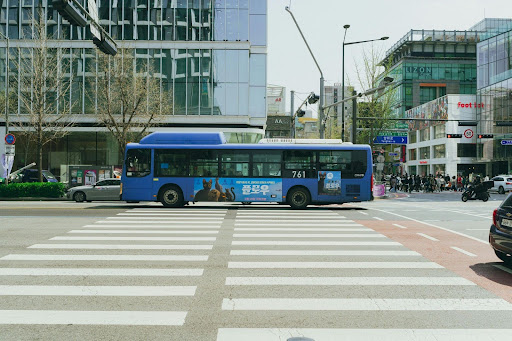
An Examination of Transit Incidents and Their Legal Consequences by NYLawnet The city’s extensive bus and tube system transports thousands of commuters every day. Yet, when there are problems with public transportation—maybe because of bad equipment, mistakes by people or poor decisions—the outcome can be very serious. Problems caused when MTA run buses and subways can disrupt the community, as they often raise issues of responsibility, control and answerability. High-Profile Accidents Recently Recently, the city has experienced a number of public tram accidents. In 2023, the trains ran off the tracks in Harlem, injuring many people and New York City started investigating how maintenance was handled. Similar to the 2017 event, an MTA bus in Brooklyn leaped the curb in 2024, injuring pedestrians. The event also led to complaints about how drivers are trained and selected. Every incident uncovers flaws in a system that is trusted every day. Usually, the consequences in court are broad and result from the relationship among municipal liability, sovereign immunity and individual carelessness. Laws and Issues It is not always easy to get justice when someone gets injured on or by public transit. New York law gives the MTA certain defenses because it is a public authority. Those wishing to sue the MTA for an incident must notify the agency within 90 days of the incident using a Notice of Claim. The upcoming trial date can present a serious problem for those only recently hurt and for those who do not understand their legal options. Also, finding who is responsible for any accident that occurs while things are being shipped is not always simple. Were they tired at the time of the accident? If such a tragedy happened, was it because proper maintenance was neglected? Did a problem with the signal control system go ignored? Usually, proving that negligence occurred on behalf of the driver or from the transit authority for common problems is important in legal cases. Current Developments in Lawsuits and Responsibility Judges in New York are looking more carefully at the MTA’s safety systems. There have been many cases where transit agencies were found guilty after accidents because they didn’t maintain machinery or follow safety rules. Besides, juries have to take into account acts of contributory negligence—particularly if the problem resulted from someone besides the driver or airline staff. The influence of photos and statements from neighbours has increased in such cases. Engineers and safety specialists are now being called in by legal teams to review accident scenes and pinpoint faults in methods or tools. Effects on Policy and Reform In addition, such incidents lead to discussions about improving transit budgets, training operators and changing the system as a whole. Examinations by pedestrian accident attorneys in New York often drive the government to introduce safety measures—such as new devices to track drivers’ tiredness and better security for pedestrians near buses. Such situations make it clear that attorneys should know a great deal about municipal law, regulations governing public transport and the rules connected with suing public bodies. The public tends to see them as signs of both how much systems control our city and how easily those systems might fail. Conclusion When there is an issue with public transit, it can be just as complicated to resolve things legally as it was for the accident happen. Since New York is developing, its transit laws and safeguards should also change. Careful law monitoring and responsible public rules will play a vital role in maintaining safety. The resource continues to monitor advancements in transportation law and supports greater clarity and protection for commuter safety.