Will I Be Held Accountable For the Accident if My Car Slips on Ice?

Table of Contents : Will I Be Held Accountable For the Accident if My Car Slips on Ice? Understanding Liability in Icy Road Accidents Comparative Negligence in New York What can a New York Personal Injury Lawyer do to Help You? As winter blankets the streets of New York with a glistening layer of ice the city transforms into a winter wonderland – but for drivers, it also becomes a precarious terrain. The glittering streets, while picturesque, pose a heightened risk of accidents, leaving motorists grappling with concerns about potential liabilities when their vehicles slip on the icy roads. In this blog, we embark on a journey through the legal landscape of icy road accidents in New York, exploring the nuanced factors that determine liability. As the icy dance of winter unfolds on the asphalt canvas, the question lingers: Will I be held accountable for an accident if my car slips on ice? Let’s dive into the legal intricacies and discover how a personal injury lawyer might play a pivotal role in navigating these frosty uncertainties. Understanding Liability in Icy Road Accidents New York, known for its harsh winters, poses unique challenges for drivers when it comes to navigating icy roads. The question of liability in an accident involving a slip on ice often depends on various factors. While ice-covered roads present inherent dangers, drivers are still expected to exercise reasonable care and adjust their driving behavior to the road conditions. Comparative Negligence in New York New York follows a comparative negligence system, which means that liability in an accident can be shared between multiple parties based on their degree of fault. If your car slips on ice, the court may consider factors such as your speed, the condition of your tires, and whether you took necessary precautions to prevent an accident. For instance, if it is determined that you were driving too fast for the icy conditions or failed to maintain your vehicle properly, you may be deemed partially responsible for the accident. However, if road maintenance or signage issues contributed to the incident, liability could be shared with relevant authorities. What can a New York Personal Injury Lawyer do to Help You? When facing the aftermath of an accident on icy roads, consulting with a New York personal injury lawyer becomes crucial. A seasoned attorney can assess the circumstances surrounding the accident, gather evidence, and determine the liable parties. Their expertise in personal injury law allows them to navigate the complexities of the legal system and advocate for your rights. A skilled lawyer will work towards establishing a strong case to minimize your liability or negotiate a fair settlement on your behalf. They can also guide you through the process of filing a claim and represent you in court if necessary, ensuring that you receive the compensation you deserve. While accidents on icy roads are common in New York, liability is not always straightforward. The key lies in demonstrating that you exercised reasonable care given the road conditions and that other factors, such as poor maintenance or inadequate signage, contributed to the accident. To protect your rights and navigate the legal complexities, it’s essential to seek the assistance of a qualified personal injury lawyer in New York, such as Siler & Ingber who can guide you through the process and advocate for your best interests.
Can You Sue Despite Signing a Waiver?

We’ve all been there – signing a waiver before engaging in an activity, be it a thrilling adventure or a simple workout at the gym. It’s a common practice for businesses and organizations to protect themselves from potential legal liabilities. But what happens if you find yourself injured despite having signed that piece of paper? Can you still sue? Let’s explore the intricacies of waivers and the role of a personal injury lawyer in such situations. Understanding Waivers: A waiver is a legal document that participants sign to acknowledge the inherent risks associated with an activity. By signing it, you essentially agree not to hold the business or organization responsible for any injuries or damages that may occur. However, this doesn’t mean that all waivers are foolproof. Exceptions to Waivers: While waivers provide a level of protection for businesses, there are instances where they may not hold up in court. Courts often consider the following factors: Gross Negligence: If the injury resulted from the willful or reckless conduct of the business or its employees, a waiver may not be enforceable. Courts may not uphold waivers that shield parties from gross negligence. Ambiguity: If the waiver is unclear or contains ambiguous language, it may not be legally binding. A well-drafted waiver should explicitly outline the risks involved in the activity. Public Policy: Courts may invalidate waivers that go against public policy or involve illegal activities. For example, a waiver attempting to release a business from liability for intentionally causing harm would likely be unenforceable. Unconscionability: If the terms of the waiver are overly one-sided, oppressive, or unfair, a court may deem it unconscionable and refuse to enforce it. The Role of a Personal Injury Lawyer If you’ve been injured despite signing a waiver, consulting with a personal injury lawyer is crucial. These legal professionals specialize in navigating the complex terrain of personal injury law and can help you determine the validity of the waiver in your specific case. Reviewing the Waiver: A personal injury lawyer will carefully review the waiver to identify any potential weaknesses or factors that may render it unenforceable. Investigating Negligence: The lawyer will investigate the circumstances surrounding your injury to determine if there was any negligence on the part of the business or its employees. Negotiating with Insurers: Personal injury lawyers are skilled negotiators who can engage with insurance companies on your behalf to secure fair compensation for your injuries. Litigation if Necessary: If a fair settlement cannot be reached, your lawyer may guide you through the process of filing a lawsuit and represent you in court. Signing a waiver doesn’t necessarily mean you forfeit your right to seek compensation for injuries. The enforceability of a waiver depends on various factors, and the expertise of a personal injury lawyer is invaluable in navigating this legal landscape. If you find yourself in such a situation, don’t hesitate to consult with a legal professional from the Siler & Ingber team who can help you understand your rights and pursue the justice you deserve. Remember, not all waivers are bulletproof, and your well-being should always be a priority.
Why Future Damages are Critical for a Personal Injury Claim

In the aftermath of a personal injury, navigating the legal landscape can be overwhelming. You’re dealing with physical pain, emotional distress, and mounting medical bills. In such trying times, hiring a personal injury lawyer becomes not just a choice, but a necessity. One aspect that often takes center stage in these cases is the consideration of future damages. Understanding Future Damages When we talk about personal injury claims, we usually think of immediate medical expenses and compensation for current suffering. However, the impact of an injury can extend far beyond the present moment. Future damages encompass the ongoing consequences of your injury that may affect your life for weeks, months, or even years to come. The Far-reaching Consequences Imagine sustaining a severe injury that requires prolonged medical treatment, rehabilitation, or perhaps even a permanent disability. In such cases, the financial and emotional toll can be immense. A personal injury lawyer recognizes the importance of evaluating the long-term effects to ensure that you are adequately compensated for the life-altering changes caused by the incident. Financial Security in the Long Run Future damages take into account not only the current medical bills but also the anticipated costs of ongoing medical care and rehabilitation. Your personal injury lawyer works tirelessly to establish a comprehensive picture of your future needs, ensuring that you are not left shouldering the burden of these expenses alone. Lost Earning Capacity In many instances, a personal injury can impact your ability to work and earn a living. This loss of earning capacity is a critical factor in calculating future damages. A skilled personal injury lawyer will work with financial experts to estimate the potential income you might have earned if not for the injury, securing compensation that addresses this aspect of your life. Emotional and Psychological Effects Beyond the physical toll, personal injuries can leave lasting emotional scars. Anxiety, depression, and post-traumatic stress disorder (PTSD) are common consequences that may manifest over time. Recognizing and addressing these emotional damages is essential for your overall well-being, and your personal injury lawyer will ensure that these aspects are considered in your claim. Why a Personal Injury Lawyer Matters Navigating the complexities of future damages requires legal expertise. A personal injury lawyer specializes in building a compelling case that takes into account not only your immediate suffering but also the enduring consequences of the injury. Their experience allows them to work with medical professionals, economists, and other experts to present a thorough and accurate assessment of your future needs. When pursuing a personal injury claim, understanding the significance of future damages is paramount. It’s not just about seeking compensation for the here and now; it’s about securing your future well-being. A personal injury lawyer acts as your advocate, ensuring that all aspects of your injury, both immediate and long-term, are considered and addressed. With siler and Ingber team’s guidance, you can move forward with the confidence that your claim comprehensively reflects the true impact of the incident on your life.
5 Reasons You Lost Your Personal Injury Case
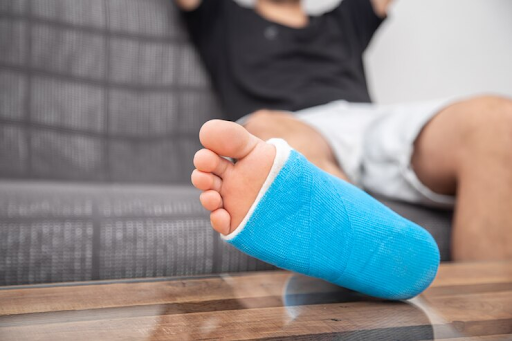
So, you’ve found yourself on the wrong end of a personal injury case, scratching your head and wondering where things went south. It’s a tough situation, but understanding the reasons behind your loss can help you learn and avoid pitfalls in the future. Let’s look at five common reasons you might have lost your personal injury case. Delay in Seeking Medical Attention: One of the biggest blunders people make is delaying medical treatment after an accident. It’s crucial to see a doctor promptly, not only for your health but also for your legal case. Insurance companies and opposing attorneys can argue that your injuries weren’t severe if you didn’t seek immediate medical attention. Personal injury cases thrive on a clear connection between the accident and your injuries, so don’t give them any room for doubt. Lack of Documentation: Did you keep track of your medical records, bills, and any other evidence related to the accident? If not, this could be a significant factor in your case’s downfall. Personal injury attorney emphasize the importance of thorough documentation to establish a strong case. Without proper records, it becomes challenging to prove the extent of your injuries, the impact on your daily life, and the financial losses you incurred. Failure to Follow Medical Advice: Your personal injury case heavily relies on the advice and treatment provided by medical professionals. If you neglected doctor’s orders or skipped appointments, it weakens your case. Insurance companies may argue that your actions worsened your condition, making it difficult to prove that the defendant’s negligence was the primary cause of your injuries. Following medical advice not only helps your health but also strengthens your legal position. Inconsistent Statements: Consistency is key when it comes to personal injury cases. If your statements about the accident or your injuries vary over time, it can raise doubts about the credibility of your case. Personal injury attorneys often stress the importance of providing a clear and consistent account of the events. Any contradictions in your statements can be used against you in court, making it harder to establish the truth of your claims. Choosing the Wrong Personal Injury Attorney: Selecting the right personal injury attorney can make or break your case. If your lawyer lacks experience in handling similar cases or fails to communicate effectively, it can significantly impact the outcome. A seasoned personal injury attorney like that in the team of Siler & Ingber knows how to navigate the legal system, negotiate with insurance companies, and build a compelling case on your behalf. Don’t underestimate the importance of having a skilled and dedicated advocate in your corner. Losing a personal injury case can be disheartening, but understanding the common pitfalls can help you avoid similar mistakes in the future. Seek prompt medical attention, document everything, follow medical advice, maintain consistency in your statements, and choose a reputable personal injury attorney. With the right approach, you can enhance your chances of a successful outcome in any future legal battles.
Navigating a Safe and Jolly Holiday Season: Common Personal Injuries During Christmas in New York

‘Tis the Season to Be Merry, But Also Mindful of Safety! As the festive lights adorn the streets of New York, the holiday season brings joy, laughter, and, unfortunately, a few common personal injuries. Let’s unwrap some statistics and share tips to ensure a safe and holly-jolly celebration for all New Yorkers! Slip-and-Falls on Winter Wonderland Sidewalks Statistics: According to NYC Open Data, slip-and-falls see a seasonal spike during winter months. Tips: Opt for non-slip footwear. Keep an eye out for icy patches, especially near entrances. Property owners: Regularly salt sidewalks to prevent ice buildup. Ornamental Accidents: Tree Decorating Dangers Statistics: The Consumer Product Safety Commission notes an increase in injuries related to decorating activities during the holiday season. Tips: Use a sturdy ladder for reaching high branches. Keep breakable ornaments out of reach of curious pets and children. Be cautious with electrical decorations to prevent shocks. Twinkle Lights Tango: Electrocution Hazards Statistics: The U.S. Fire Administration reports an uptick in electrical fires during December. Tips: Inspect lights for frayed wires before decorating. Avoid overloading electrical outlets. Turn off decorations before bedtime or leaving the house. Santa’s Workshop Mishaps: Toy-Related Injuries Statistics: Emergency rooms see an increase in visits for toy-related injuries during the holiday season (Source: Safe Kids Worldwide). Tips: Check for age-appropriate labels on toys. Assemble toys in a well-lit area. Discard packaging promptly to avoid trip hazards. Package Pirouettes: Delivery-Related Incidents Statistics: The surge in online shopping translates to an increase in delivery-related accidents. Tips: Clear pathways for delivery personnel. Track packages and retrieve them promptly. Secure pets when answering the door. ‘Twas the Night Before Safety: Wrap-Up Thoughts The holiday season is a time for joy, but a dash of caution can ensure that your celebrations are accident-free. By staying mindful of common personal injuries, we can all contribute to a safer and more cheerful New York holiday season. Wishing you a festive and injury-free celebration! If you or a loved one has sustained an injury during this holiday season, call the personal injury attorneys at Siler & Ingber to schedule your FREE legal consultation (877) 529-4343.
5 Steps To Take After a Personal Injury Accident

Life is full of surprises, and not all of them are pleasant. Personal injury accidents can be like unexpected detours, throwing us off course. When these bumps happen, it’s crucial to know how to navigate the aftermath. In this guide, we’ll break down five important steps to take after a personal injury accident. Plus, we’ll highlight why having a reliable personal injury attorney by your side can make all the difference. So, let’s simplify the process of getting back on track and seeking the help you need. Step 1: Prioritize Your Well-being: In the chaotic aftermath of a personal injury accident, it’s crucial to prioritize your physical and mental well-being. Seek immediate medical attention for any injuries, no matter how minor they may seem. Your health is your most valuable asset, and addressing injuries promptly not only promotes a faster recovery but also strengthens your legal case. Step 2: Document Everything: In the age of smartphones, documenting the scene has never been simpler. Take pictures and videos of the accident site, any visible injuries, and the surrounding environment. These images could serve as valuable evidence later. Additionally, collect contact information from witnesses who may be able to corroborate your version of events. Step 3: Report the Incident: File a detailed report with the relevant authorities, such as the police or property owner, depending on the nature of the accident. This official documentation can play a crucial role in establishing the facts of the case. Remember to request a copy of the report for your records—it might come in handy later when consulting with your personal injury attorney. Step 4: Preserve Evidence: Preserving evidence goes beyond documenting the scene. Keep a record of all medical bills, receipts, and any other expenses incurred as a result of the accident. This meticulous record-keeping strengthens your case and makes it easier for your personal injury attorney to build a solid argument for compensation. Step 5: Consult with a Personal Injury Attorney: Now that you’ve taken the initial steps toward recovery and documented the incident, it’s time to bring in the professionals. A skilled personal injury attorney is your best ally in navigating the complex legal landscape. They can assess the viability of your case, negotiate with insurance companies, and represent your interests in court if necessary. Don’t hesitate to seek legal advice—the right attorney can make all the difference in securing the compensation you deserve. In the aftermath of a personal injury accident, taking these five steps can set you on the path to recovery and justice. Remember, your well-being is paramount, but so is your right to fair compensation. By documenting the incident, preserving evidence, and consulting with a reputable personal injury attorney from the Siler & Ingber team, you’re not just seeking legal representation—you’re taking control of your future. Life may be unpredictable, but your response to a personal injury accident can be a strategic and empowering one.
How Should I Respond If a Car Hits Me While Crossing the Street?

Crossing the bustling streets of New York City can be a daily adventure. With the constant flow of traffic and the hurried pace of pedestrians, accidents can happen. If you find yourself in the unfortunate situation of being hit by a car while crossing the street, it’s crucial to know how to respond. In this blog, we shall guide you through the steps you should take, with a focus on seeking legal assistance. Remember, we’re not legal experts, but we can provide some general guidance. For specific advice tailored to your situation, it’s always best to consult with a qualified professional, such as a New York City car accident lawyer. Table of Contents : How Should I Respond If a Car Hits Me While Crossing the Street? Stay calm and assess your safety: Seek medical attention: Exchange Information: Document the scene: File a police report: Contact Your Insurance Company: Consult with a New York City car accident lawyer: Schedule a legal consultation: Follow legal advice: Stay Informed: Conclusion : Stay calm and assess your safety: First and foremost, try to remain calm. Take a deep breath and assess your immediate surroundings. If you are able to move, carefully make your way to the sidewalk or a safe area away from traffic. Seek medical attention: Your well-being is the top priority. If you’re injured, call for medical help or ask someone nearby to do so. Even if you don’t feel injured, it’s advisable to get a medical checkup, as some injuries may not be immediately apparent. Exchange Information: If the driver is present, exchange contact and insurance information. Take note of the license plate number, make and model of the car, and the driver’s contact details. Document the scene: Use your phone to take pictures of the accident scene, including any damage to the vehicle, the surrounding environment, and any traffic signals or signs. If you see witnesses nearby, ask them for their contact information. File a police report: Call the police to report the accident. Having an official record can be crucial for insurance claims and legal proceedings. Contact Your Insurance Company: You would need to notify your insurance company about the accident as soon as possible. Provide them with the details and any documentation you’ve gathered. Consult with a New York City car accident lawyer: Now comes a critical step: consulting with a lawyer. If you believe the accident was the result of the driver’s negligence, hiring a New York City car accident lawyer can help you understand your rights and options. Search for reputable lawyers in your area who specialize in car accidents. Schedule a legal consultation: Many lawyers offer free initial consultations. Schedule an appointment to discuss the specifics of your case. Be prepared with the information you’ve gathered, and don’t hesitate to ask questions about the legal process, potential compensation, and the lawyer’s experience. Follow legal advice: If you decide to proceed with legal action, follow your lawyer’s advice closely. They will guide you through the necessary steps to build a strong case. Stay Informed: Keep yourself informed about the progress of your case. Regular communication with your lawyer is essential. Conclusion : Being involved in a car accident while crossing the streets of New York City can be a frightening experience. By staying calm, prioritizing your safety, and following the steps outlined above, you can navigate the aftermath more effectively. Seeking legal advice from a qualified New York City car accident lawyer, such as one from the Siler & Ingber team, can be instrumental in ensuring you understand your rights and receive the compensation you deserve. Remember, this information is a general guide, and for personalized advice, consult with a legal professional as soon as possible.
Can Witness Statements Make A Difference In My Personal Injury Lawsuit?

Table of content The Power of Witness Statements Establishing Credibility Providing Key Details Offering Different Perspectives Supporting Your Claim Resolving Disputes Proving Damages The Power of Witness Statements Establishing Credibility Witness statements can be instrumental in establishing the credibility of your claim. When independent witnesses provide an account of the incident, it adds weight to your version of events. Their impartial testimony can help corroborate your claims and demonstrate that your case has merit. This increased credibility can influence the court’s perception of your case and improve your chances of a favorable outcome. Providing Key Details Witness statements often contain crucial details that might have been overlooked by the parties involved or captured in official reports. These details can include information about the events leading up to the accident, the accident itself, and the aftermath. For example, a witness might recall the at-fault party’s behavior, the road conditions, or any statements made at the scene, all of which can be pivotal in determining liability and damages. Offering Different Perspectives Multiple witnesses can provide various perspectives on the same incident. Each perspective may shed light on different aspects of the accident, helping to build a comprehensive picture of what transpired. These varying viewpoints can be invaluable in understanding the full scope of the incident and presenting a more accurate and compelling case. Supporting Your Claim A personal injury attorney or injury lawyer can use witness statements to strengthen your claim. By presenting consistent accounts from credible witnesses, they can construct a compelling narrative that underscores the negligence of the at-fault party. This can be crucial in negotiating a fair settlement or persuading a judge and jury if the case goes to trial. Resolving Disputes In cases where there is a dispute about liability or the circumstances of the accident, witness statements can be pivotal. They can help clarify any inconsistencies and serve as a reliable source of information to resolve disputes. This can potentially expedite the legal process and lead to a quicker resolution of your case. Proving Damages In personal injury cases, it’s essential to establish the extent of your damages, including medical expenses, lost income, pain and suffering, and other losses. Witness statements can contribute to this by providing insights into the impact of the injury on your life. Witnesses can testify to the visible changes in your behavior, physical condition, and emotional state following the accident. In a personal injury lawsuit, witness statements are a valuable resource that can make a significant difference in the outcome of your case. They can bolster your credibility, provide critical details, offer diverse perspectives, support your claim, resolve disputes, and prove damages. To maximize the effectiveness of witness statements, it’s crucial to work closely with an experienced personal injury attorney or injury lawyer from Siler & Inber team who knows how to gather and present this evidence effectively. If you’ve been injured and are considering a personal injury lawsuit, don’t underestimate the importance of witness statements. They can be the difference between a successful claim and one that falls short. By ensuring that all relevant witnesses are identified, and their statements are carefully collected and preserved, you can enhance your chances of receiving the compensation you deserve for your injuries and losses. Tarry no longer; get in touch with Siler & Ingber lawyers today.
Be Aware of Slip & Fall Accidents At Famous Landmarks In New York City

Table of content The Majesty of NYC Landmarks Safety First: Tips for Avoiding Slip & Fall Accidents Seeking Legal Assistance The Majesty of NYC Landmarks New York City is a place of stunning skyscrapers, swarming streets, and iconic landmarks. While many flock to these sites to enjoy the city’s unique charm, there’s an often-overlooked risk that can lead to serious injuries: ladder falls. Let us shed light on the potential dangers of ladder falls at famous New York City landmarks and provide valuable tips to keep you safe. Should you find yourself in such an unfortunate situation, it’s crucial to be aware of the services offered by injury attorneys, slip-and-fall accident attorneys, and slip and fall accident lawyers. New York City boasts an array of world-famous landmarks, each offering a unique blend of history, culture, and architectural wonder. Some of these iconic sites include: The Empire State Building: An emblem of New York, providing panoramic views of the city from its observation deck. Times Square: Renowned for its dazzling billboards, theaters, and vibrant atmosphere. Central Park: A sprawling urban oasis that offers a peaceful respite amidst the city’s hustle and bustle. Hidden Hazards: Slip & Fall Accidents, Ladder Falls While these landmarks are celebrated for their beauty and allure, visitors should also be wary of hidden dangers that can lead to slip & fall accidents and ladder falls. Ladders are commonly used for maintenance, construction, or event setups at these sites, and the risks associated with ladder-related accidents are often underestimated. Common Causes of Slip and Fall accidents at Landmarks Slippery or Uneven Surfaces: The outdoor areas of landmarks may become slippery due to rain, snow, or spilled liquids, making ladder setups precarious. Lack of Proper Maintenance: Inadequate maintenance of ladders and their surroundings can increase the likelihood of accidents. Overcrowding: Crowded areas around landmarks can lead to accidental collisions with others. Safety First: Tips for Avoiding Slip & Fall Accidents Stay Alert: Pay attention to your surroundings, especially in crowded areas, and watch out for ladder setups. Keep a Safe Distance: Maintain a respectful distance from wet floors, repair areas etc. Respect any barriers or warning signs. Report Hazards: If you notice unsafe conditions or hazardous situations, alert the authorities or landmark staff. Wear Appropriate Footwear: Choose comfortable, slip-resistant shoes to navigate potentially slippery surfaces around landmarks. Seeking Legal Assistance If, despite your precautions, you or a loved one is involved in a slip & fall accident at a New York City landmark, it’s essential to seek legal assistance promptly. Injury attorneys, slip and fall accident attorneys, and slip and fall accident lawyers from Siler & Ingber team are experts in handling personal injury cases and can help you navigate the complexities of the legal system. While visiting the famous landmarks of New York City is a memorable experience, it’s crucial to be aware of potential slip & fall hazards. Staying safe and vigilant around maintenance areas is essential. If an accident does occur, don’t hesitate to contact an injury attorney, slip and fall accident attorney, or slip and fall accident lawyer such as Siler & Ingber to protect your rights and seek a fair and just compensation. Stay safe, explore the city, and enjoy the magic of NYC’s landmarks without worry.
Is It Normal to Have Ringing in My Ears After an Accident?

Table Of Content Is It Normal to Have Ringing in My Ears After an Accident? Understanding Tinnitus The Impact of an Accident Experiencing an accident can be a traumatic and disorienting event, and often, it can have unexpected consequences on your body and mind. One such consequence that may occur after an accident is a persistent ringing or buzzing sound in the ears, medically known as tinnitus. This condition can cause considerable concern and discomfort, leaving many wondering if it’s normal or if they should seek medical attention. Understanding Tinnitus Tinnitus is the perception of sound, such as ringing, buzzing, whistling, or hissing, in the ears when no external sound source is present. It’s essential to recognize that tinnitus itself is not a disease but a symptom of an underlying issue. Various factors can contribute to tinnitus, including exposure to loud noises, age-related hearing loss, earwax blockage, and yes, trauma, accidents or personal injury. The Impact of an Accident During an accident, especially those involving head or neck trauma, the delicate structures of the ear can be affected. The sudden force and impact can cause damage to the inner ear, auditory nerves, or other components involved in hearing. This damage may manifest as tinnitus, which can be temporary or chronic, and in some cases, may be accompanied by hearing loss or dizziness. When Should You Be Concerned? Experiencing ringing in the ears immediately after an accident is not uncommon. In many cases, this ringing may subside on its own as the body heals from the trauma. However, if the ringing persists, worsens, or is accompanied by other concerning symptoms such as severe dizziness, difficulty hearing, or severe headaches, it’s essential to seek immediate medical attention. Seeking Medical Help If you’re experiencing persistent ringing in your ears after an accident, consulting with an otolaryngologist or an ear, nose, and throat (ENT) specialist is crucial. They can conduct a thorough examination, possibly including hearing tests and imaging studies, to evaluate the extent of the damage and provide an accurate diagnosis. Depending on the severity of the tinnitus and any associated injuries, treatment options may include: Medication: Certain medications may help alleviate the symptoms of tinnitus and manage any accompanying pain or discomfort. Hearing Aids: For those with hearing loss accompanying tinnitus, hearing aids can be beneficial in improving overall hearing and minimizing the perception of tinnitus. Sound Therapy: This involves using external sounds, such as white noise or nature sounds, to distract from the tinnitus and provide relief. Counseling: Professional counseling or cognitive behavioral therapy (CBT) can help individuals manage the emotional impact of tinnitus and develop coping strategies. Experiencing ringing in your ears after an accident, especially if it’s traumatic, is not uncommon. However, it’s crucial to monitor the symptoms and seek medical help if the ringing persists or worsens, or if other concerning symptoms manifest. Prompt evaluation and appropriate treatment can significantly improve your quality of life and help manage any potential long-term effects of the accident on your auditory system. Always prioritize your health and well-being by seeking professional medical advice when needed. If you have been in a personal injury accident that led to an ear injury, it is time you get in touch with a personal injury lawyer like Siler & Ingber who are professional legal advisors and who can help you render the fair compensation that you deserve for your pain and sufferings.