Public Transit Injury Claims: Subways, Buses & Taxis in NYC
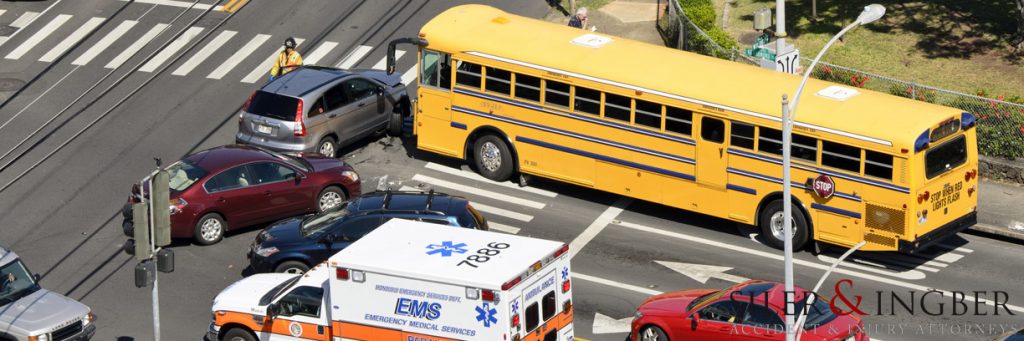
The New York City public transportation system is one of the world’s busiest, helping millions of residents and tourists move around with ease. While the vast majority of these trips proceed without incident, accidents and injuries can happen, perhaps more frequently than many realize. When someone is injured on public transportation, one of the biggest questions is often who is responsible and whether an injury claim can be filed. However, public transit injury claims are often more complicated than standard car accident cases because they may involve government agencies, multiple insurance policies, and strict filing deadlines. Understanding how public transit injury claims work in NYC can help you better understand your rights and what steps to take if you are injured on a subway, bus, or taxi. Where Public Transit Injuries Commonly Occur Public transit injuries can happen in many different places, not just during a crash. In New York City, injuries frequently occur on subway platforms, inside subway cars, while boarding or exiting buses, and during taxi rides. Subway stations can also become extremely crowded, especially during rush hour, and slip-and-fall accidents on stairs, platforms, and turnstile areas are common, particularly when floors are wet from rain or snow. Bus-related injuries often occur when passengers are boarding or exiting the bus, when a driver begins moving before a passenger is seated, or when a driver suddenly stops to avoid traffic or pedestrians. Taxi accidents are another common source of public transit injury claims and often involve collisions with other vehicles, pedestrians, cyclists, or stationary objects. Subway Injury Claims in NYC The subway system in New York City is operated by the Metropolitan Transportation Authority (MTA), which is a public authority. This means that injury claims involving subways are different from typical personal injury claims, and may involve situations such as: Slips and falls on platforms or stairs Being struck by the closing train doors Injuries from sudden stops or jerking train movement Accidents caused by defective escalators or elevators Falling due to overcrowded platforms or trains Because the MTA is a government entity, there are special rules and shorter deadlines for filing a claim. In many cases, a Notice of Claim must be filed within a relatively short period of time after the accident, and missing this deadline can prevent you from getting the compensation you deserve. Bus Accident Injury Claims Bus accidents in NYC may involve city, private, charter, or school buses. Many city buses are also operated by the MTA, which means similar rules apply regarding claims and deadlines, and typical injuries include: Passengers falling when the bus stops suddenly Injuries while boarding or exiting the bus Bus collisions with other vehicles Pedestrians struck by buses Buses hitting cyclists or parked vehicles Bus drivers are expected to operate their vehicles safely and carefully, especially since they are transporting passengers. If a driver is speeding, distracted, or driving aggressively, the transit authority or bus company may be held responsible for injuries that occur. Taxi and Rideshare Injury Claims Taxi accidents are slightly different from subway and bus claims because taxis are typically privately owned or operated by companies rather than government agencies. This means injury claims are often handled through insurance companies rather than municipal claim systems, and accident claims may involve: Collisions with other vehicles Pedestrians struck by taxis Passengers injured during sudden stops or crashes Injuries caused by unsafe driving Accidents involving rideshare vehicles like Uber or Lyft These cases can sometimes involve multiple insurance policies, including the taxi company’s insurance, the driver’s personal insurance, and possibly other drivers’ insurance if multiple vehicles were involved. Determining which insurance policy applies can sometimes be complicated, particularly in rideshare accident cases. How Liability is Determined in Public Transit Injury Cases Determining liability in a public transit injury case depends on how the accident occurred. Investigations may involve reviewing accident reports, surveillance footage, maintenance records, driver records, and witness statements; for example, if someone slipped on a subway platform because a dangerous condition was not addressed, the transit authority may be responsible. If a bus driver caused an accident due to careless driving, the bus company or transit authority may be liable. If a taxi driver caused a crash, the driver and their insurance company may be responsible. In some cases, multiple parties may share responsibility, especially in multi-vehicle accidents or situations involving unsafe road conditions or construction zones. Because public transit systems are heavily monitored, video footage and incident reports often play a major role in determining what happened. What to do After a Public Transit Injury in NYC If you are injured on a subway, bus, or taxi in New York City, there are several important steps you should take. First, seek medical attention as soon as possible, even if the injury does not seem serious, as some can take time to appear. The medical records are also important for any future claim. You should report the incident immediately to the bus driver, train conductor, station agent, or police officer so that an official report is created. If possible, take photographs of the area, the vehicle, any hazards, and your injuries, and collect the names and contact information of any witnesses. When to Speak with an Attorney Public transit injury claims in NYC can be complicated because they often involve government agencies, strict deadlines, and multiple insurance policies. Many people are not aware that the timeline for filing a claim against a public authority can be much shorter than a standard personal injury case, which is why speaking with an experienced personal injury attorney can help you understand your rights, determine who may be liable, and ensure that important deadlines are not missed. Our team here at Siler & Ingber Accident & Injury Attorneys helps individuals who have been injured in subway, bus, and taxi accidents throughout New York City and Long Island, guiding them through the claims process, handling communication with insurance companies, and helping them pursue compensation for medical bills, lost income, and other
Pedestrian Accidents in Nassau & Suffolk Counties: Who’s Liable?
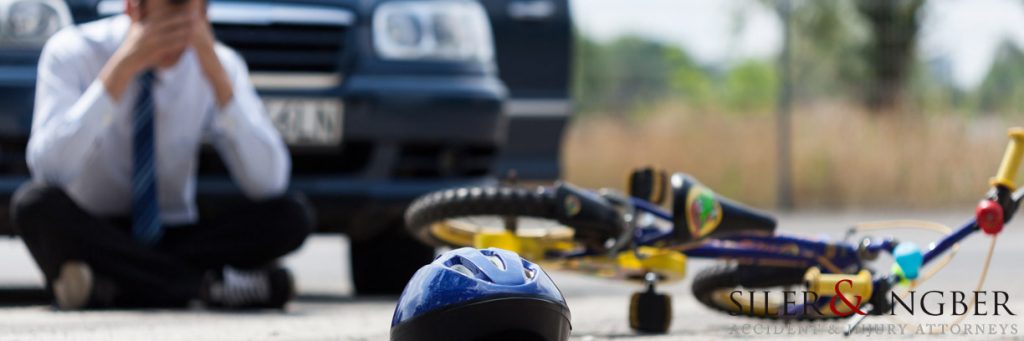
Pedestrian accidents are a growing concern across Nassau and Suffolk Counties. While Long Island may not have the same density as New York City, busy intersections, suburban roadways, shopping centers, school zones, and train stations create myriad situations where pedestrians and vehicles interact. When a pedestrian is struck by a vehicle, the injuries are often serious, and one of the first questions that comes up is simple but important: Who is legally responsible? Liability in pedestrian accidents is not always as straightforward as people think, and while drivers are often at fault, multiple parties may share responsibility, including municipalities, property owners, and even other drivers. Understanding how liability works in Nassau and Suffolk County pedestrian accidents can help you to better understand their rights and next steps should you be involved in one. That is why in this latest article, we thought we would take a closer look. Common Locations for Pedestrian Accidents Many pedestrian accidents in Nassau and Suffolk Counties occur at predictable locations where vehicle and foot traffic overlap, particularly at intersections, where drivers may fail to notice someone crossing the street. Parking lots at shopping centres and grocery stores are also frequently cited as locations, as drivers are often more focused on finding a space than on watching for people walking between cars. Train stations and bus stops throughout Long Island also see increases in pedestrian traffic during morning and evening commuting hours. School zones, downtown village areas, and roads without sidewalks also pose elevated risks, particularly at night or in poor weather. Driver Responsibility in Pedestrian Accidents In many pedestrian accident cases, the driver is found to be at fault. New York law generally requires drivers to exercise reasonable care to avoid hitting pedestrians, especially in crosswalks and at intersections. That means drivers may be considered negligent if they were speeding, distracted, failed to yield at a crosswalk, ran a red light, or were driving under the influence. Even when a pedestrian is not in a marked crosswalk, drivers still have a duty to remain alert and avoid collisions. Distracted driving has become one of the leading causes of pedestrian accidents in recent years, and looking at a phone for even a few seconds can prevent a driver from seeing someone stepping into a crosswalk or walking along the roadside. When Pedestrians Say Share the Fault Of course, not every pedestrian accident automatically results in the driver being found fully liable. New York follows a comparative negligence rule, which means fault can be shared between parties. For example, a pedestrian may share responsibility if they crossed against a traffic signal, suddenly walked into the road without giving drivers time to react, or walked in poorly lit areas while wearing dark clothing at night. In these situations, an investigation may determine that both the driver and the pedestrian contributed to the accident. However, even if a pedestrian is partially at fault, they may still recover compensation under New York law, though the amount may be reduced by their percentage of fault. Other Parties That May Be Liable Some pedestrian accident cases involve more than just the driver and the pedestrian, and other parties may share responsibility for unsafe conditions that contributed to the accident. For instance, a broken traffic signal, poorly designed intersection, missing signage, or unsafe road conditions can all result in an accident, and a municipality or government agency may be partially responsible. If construction work blocked sidewalks or forced pedestrians into traffic without proper warnings or barriers, a construction company or contractor may also be involved. Property owners may also be responsible if poor lighting, obstructed views, or unsafe parking lot layouts contributed to the accident. These cases can become more complex because claims involving municipalities often require special notices and shorter deadlines than standard injury claims. How Liability is Determined After a Pedestrian Accident Determining liability usually requires a detailed investigation, and the evidence may include police reports, witness statements, surveillance and traffic camera footage, and vehicle damage analysis. Investigators may examine traffic signals, signage, road markings, lighting conditions, and whether either party violated traffic laws; in some cases, phone records may also be reviewed to determine whether a driver was distracted at the time of the crash. Because serious pedestrian accidents often involve significant injuries, insurance companies typically conduct thorough investigations before accepting responsibility or making settlement offers. Common Injuries Seen in Pedestrian Accidents Pedestrians have very little protection compared to drivers, so injuries following an accident are often severe. Common injuries include broken bones, head injuries, traumatic brain injuries, spinal injuries, internal bleeding, and severe soft tissue injuries. Recovery may require surgery, physical therapy, rehabilitation, and extended time away from work, while in more serious cases, injuries may result in permanent disability or long-term medical care. This creates a number of financial and physical burdens that can have a big impact, which is why determining liability is so important after a pedestrian accident. What to do After a Pedestrian Accident in Nassau or Suffolk County If you have been involved in a pedestrian accident, the first thing you should do is to seek medical attention. Even if you do not appear in pain, certain injuries will not appear straight away, so it is essential to be checked over. You should also call the police and file an accident report as soon as possible. If possible, take photographs of the scene, the vehicle, traffic signals, crosswalk markings, and the surrounding area to help preserve evidence and gather any witness contact information. You should also keep records of medical treatment, missed work, and expenses related to the injury, as these can help when filing insurance claims or pursuing compensation. When to Speak to an Attorney Pedestrian accident cases often involve serious injuries, multiple insurance policies, and disputed liability, which can often appear very confusing. Speaking with an experienced attorney can help clarify who may be responsible, which insurance coverage may apply, and what steps to take next. Our team here at Siler
Understanding Pedestrian and Public Transit Accidents in New York City

No matter whether you are navigating the constant movement of New York City, commuting across Long Island, or traveling through any other major metropolitan area, life moves at a fast pace. With crowded sidewalks, busy intersections, and complex public transportation systems, it is no surprise that pedestrian accidents and public transit accidents remain a serious concern for residents and visitors alike. Every day, thousands of people rely on buses, subways, and commuter trains, while millions more walk through heavily trafficked areas. Unfortunately, when something goes wrong, the consequences can be severe. From rushing to catch a train to crossing a street during peak traffic hours, understanding your rights and legal options after an injury can make a significant difference in your recovery. In this guide, we explore the most common causes of pedestrian and public transit accidents, the types of injuries victims often suffer, and the essential steps to take if you are considering a personal injury claim. Bus and Subway-Related Injuries Public transportation is the backbone of daily life throughout New York City and the surrounding metropolitan region. Millions of commuters depend on systems such as the Metropolitan Transportation Authority (MTA), including city buses, subways, and commuter rail lines like the Long Island Rail Road (LIRR). These services make urban life possible, but they also introduce risks when safety standards are not properly maintained. While most journeys are uneventful, accidents can and do occur, sometimes with life-changing consequences. Because public transit vehicles carry large numbers of passengers, even a single incident can affect dozens of people at once. Common Causes of Transit Accident Injuries Public transit injuries can occur in many ways, including: Sudden stops that throw standing passengers off balance Slips and falls on wet or crowded platforms Collisions involving buses, trains, or other vehicles Malfunctions in doors, brakes, or escalators Negligent or distracted operation by transit employees When a bus or subway fails to operate safely, riders can suffer injuries ranging from minor sprains and broken bones to spinal cord injuries or traumatic brain injuries. These incidents not only disrupt daily routines but can also result in significant medical expenses, time away from work, and long-term rehabilitation needs. In more serious cases, victims may be unable to return to their previous jobs or may require ongoing care, placing emotional and financial strain on their families. Your Rights After a Transit Injury If you are injured while riding a bus, subway, or commuter train, it is important to understand that public transit authorities have a legal duty to operate responsibly and maintain safe conditions for passengers. Under New York law, injured riders may be entitled to compensation when negligence contributes to their accident. However, claims involving public agencies often follow different rules than those in standard personal injury cases. For example, strict deadlines may apply, and injured parties may be required to file a formal notice of claim within a short period. Failing to meet these requirements could jeopardize your ability to recover compensation. That is why documenting the incident is critical. Taking photos of the scene, collecting witness contact information, and obtaining medical records can provide valuable evidence. Prompt reporting of the incident to the transit authority is also essential. Crosswalk Accidents and Pedestrian Injuries Crosswalks are designed to protect pedestrians, but accidents at intersections remain one of the most common causes of serious injury in urban environments. Pedestrians struck by turning vehicles, speeding drivers, or distracted motorists often suffer severe harm because they have little physical protection. Large cities like New York, as well as busy suburban areas on Long Island, experience heavy traffic throughout the day. Even in clearly marked crosswalks, pedestrians are vulnerable when drivers fail to follow traffic laws or exercise reasonable caution. Why Crosswalk Collisions Happen Several factors commonly contribute to pedestrian accidents, including: Drivers failing to yield the right of way Poor visibility due to weather or lighting conditions Inadequate signage or malfunctioning traffic signals Drivers distracted by mobile phones or navigation systems Pedestrians misjudge traffic speed or distance While pedestrians also have a responsibility to remain alert, drivers are legally required to yield to pedestrians in many situations. When a driver’s negligence causes harm, injured pedestrians may have the right to pursue a claim for damages. The Human Cost of Pedestrian Accidents Pedestrian accidents often result in catastrophic injuries. Unlike vehicle occupants, pedestrians lack seatbelts, airbags, or structural protection. As a result, even low-speed collisions can cause serious trauma. Common pedestrian injuries include: Broken bones and fractures Head and brain injuries Internal organ damage Spinal cord injuries Emotional and psychological trauma Victims may face lengthy hospital stays, ongoing physical therapy, and permanent disability. Families affected by fatal pedestrian accidents often experience profound emotional loss, along with financial hardship from medical bills, funeral expenses, and lost income. Liability and Compensation In both pedestrian and public transit accidents, determining liability is a key part of any claim. Liability refers to who is legally responsible for the injury. Depending on the circumstances, responsible parties may include: A negligent driver A transit authority or government agency A private bus company A maintenance contractor A property owner Compensation in a successful claim may cover medical expenses, lost wages, future earning capacity, pain and suffering, and other related damages. In cases involving wrongful death, surviving family members may also seek compensation for loss of financial support and emotional distress. Taking the Next Steps After an Accident If you or a loved one has been injured in a pedestrian or public transit accident, taking action early can significantly protect your rights and improve your chances of a successful outcome. Some important steps include: Seek immediate medical attention Your health should always come first. Prompt medical treatment not only ensures proper care but also creates critical documentation linking your injuries to the accident. Preserve evidence Photographs of the scene, surveillance footage, damaged property, and witness statements can strengthen your case and help establish liability. Report the accident Notify the appropriate transit authority or law enforcement agency as
New Year, New Risks: New York Slip and Fall Injuries, Car Crashes, and Your Legal Rights
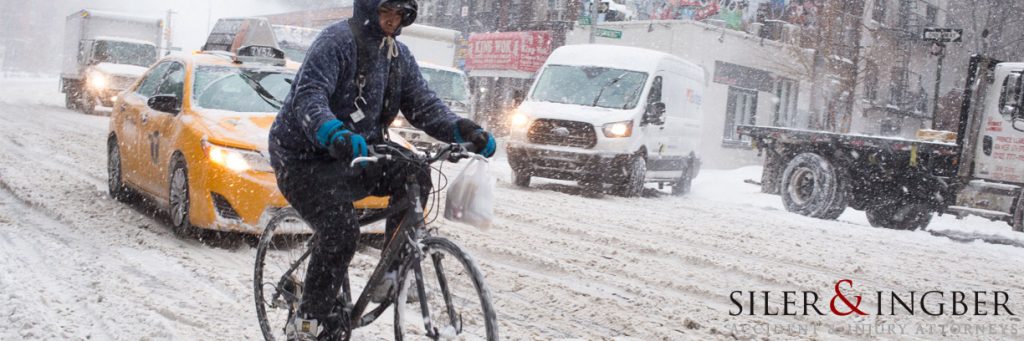
Winter Injuries in New York: What You Need to Know After a Slip, Fall, or Accident Winter in New York means more than cold weather and snowy streets. It is also one of the riskiest times for personal injuries. As the year starts, icy sidewalks, low visibility, and busy roads increase the risk of accidents. Hidden black ice, car crashes, and workplace injuries all become more common in winter. Knowing how these accidents happen, who might be responsible, and what to do next can help protect your health and your legal rights. Common Winter Accidents in New York Slip-and-Fall Accidents on Ice and Snow Slip-and-fall accidents are some of the most common winter injuries in New York. Snow, refrozen slush, and black ice can make sidewalks, parking lots, building entrances, and stairs very dangerous. Black ice is a thin, clear layer that is hard to spot. These falls often cause serious injuries like broken bones, head injuries, spinal damage, torn ligaments, or lasting back pain. Even a fall that seems minor at first can have major effects. Winter Car Accidents Driving in winter is much riskier. Snow, sleet, fog, and early darkness make it harder to see and stop in time. In New York, crashes often happen on highways like the BQE and FDR, as well as on local and residential streets. The holiday season brings more traffic, rushed drivers, and sometimes alcohol use, which leads to more crashes. Even careful drivers can get hurt if others do not drive safely in winter conditions. Pedestrian Accidents Pedestrians face heightened risks during the winter months. Slipping on icy sidewalks can cause individuals to fall into traffic, while vehicles may slide through intersections or lose control in parking lots. Pedestrian accidents often result in severe injuries due to the lack of physical protection. Workplace Injuries During Winter Workplace injuries also go up in winter. Retail and warehouse workers get more lifting injuries and cuts during the busy holiday season. Construction workers face extra risks from icy scaffolding, ladders, and roofs. Employers must keep work areas safe, even when the weather is bad. Factors That Contribute to Winter Accidents Several factors combine to make winter especially dangerous in New York: Black ice that forms overnight and blends into the pavement Snow and slush that refreeze after partial melting Poor visibility caused by fog, snowfall, and shorter daylight hours Increased traffic due to holiday travel and shopping Alcohol consumption during holiday celebrations Lack of property maintenance, including unshoveled or untreated walkways When property owners or drivers fail to take reasonable precautions, they may be held legally responsible for resulting injuries. Property Owner Responsibility and Liability in New York In New York, property owners must keep their property safe. They need to remove snow and ice soon after a storm and try to stop it from refreezing. If sidewalks, entrances, or parking lots are not treated, owners may be responsible for any injuries. Insurance companies may say that winter weather cannot be avoided. But bad weather does not excuse neglect. If the property is not cared for, owners can still be held responsible. Insurance Companies and Winter Accident Claims After a winter accident, insurance companies often blame the weather to deny or reduce claims. They may use tactics like: Claiming the incident was an “act of nature.” Arguing that you should have been more careful. Stating that the property owner did not have enough time to address the hazard. Requesting excessive proof to delay or deny payment. These arguments can often be misleading. Winter weather matters, but not salting, shoveling, or driving safely; who is at fault is still a big part of it. Employer Responsibility. Employers must follow OSHA rules to keep workplaces safe. If someone is injured by icy floors, unsafe loading, or other hazards, they may be eligible for workers’ compensation. Sometimes, a property owner or contractor can also be responsible. Workplace Injuries and Employer Responsibility Employers are required under OSHA regulations to provide a reasonably safe working environment. If icy floors, unsafe loading conditions, or unaddressed hazards cause an injury, workers may be entitled to workers’ compensation benefits. In some cases, a third party, such as a property owner or contractor, may also be liable. What to Do After a Winter Slip, Fall, or Accident Seek Medical Attention Immediately Your health should always come first. Even if injuries appear minor, seek medical care right away. Concussions, internal injuries, and soft tissue damage may not be immediately apparent. Prompt treatment also creates critical medical documentation. Document the Scene If possible, take photos of the hazardous condition that caused your injury. Capture both close-up images of the ice, snow, or defect, and wider shots of the surrounding area, such as building entrances or street signs. These details help establish where and how the accident occurred. Gather Witness Information Witness statements can be crucial in proving liability. Collect names and contact information from anyone who saw the accident. Report the Incident Notify the property owner, manager, employer, or police, depending on the type of accident. An official report can serve as significant evidence. Understand Your Legal Rights New York’s No-Fault insurance system can be complex, especially when serious injuries are involved. While No-Fault covers basic medical expenses after car accidents, it does not always compensate for pain and suffering or long-term losses. Legal guidance is often necessary to pursue full compensation. When Winter Turns Your Life Upside Down Black ice, unshoveled walkways, and unsafe winter conditions can turn a simple trip into a serious injury. Knowing your rights and who might be responsible can help you recover. As a trusted Long Island law firm, we know how hard winter injuries can be. Coping with pain, lost income, and insurance issues is stressful. We handle the legal side so you can focus on getting better. Siler & Ingber Accident & Injury Attorneys The Law Firm You Can Trust When It Matters Most Offices: 301 Mineola Blvd., Mineola, NY 11501 Phone: (516) 294-2666 Website: https://www.nylawnet.com/ Email: ringber@nylawnet.com Serving clients
Hit by a Delivery Driver in New York? What You Need to Know
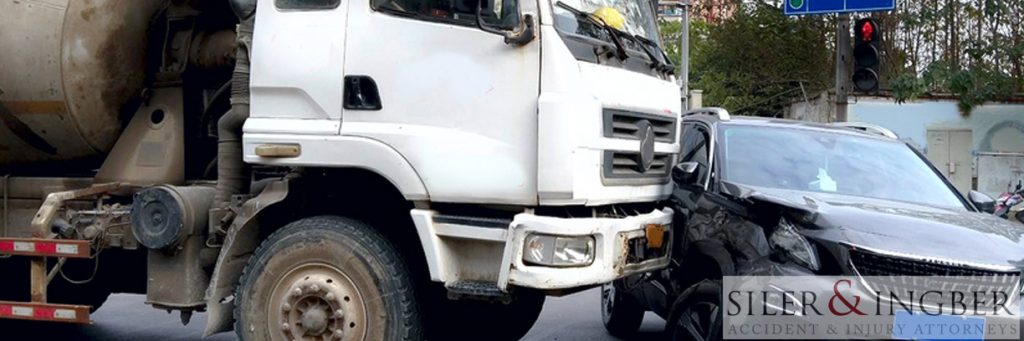
In today’s fast-paced world, convenience is king. People expect nearly anything, groceries, medication, takeout, clothing, and electronics, to show up at their doorstep quickly. Not too long ago, the pizza delivery driver was the only person routinely dropping off meals. Today, the streets of New York are filled with delivery vehicles from Amazon, UPS, FedEx, DoorDash, Uber Eats, Instacart, courier vans, and small business fleets. While this convenience is great for consumers, it comes with a cost: a sharp rise in delivery driver accidents. These drivers often operate under tight deadlines, pressure from delivery apps, traffic congestion, and unfamiliar neighborhoods. When rushed or distracted, they can cause serious collisions. If a delivery driver hits you, it’s essential to understand how these crashes occur, who may be responsible, and what steps to take next. Below is a detailed, chronological guide to help you protect your rights and pursue compensation. How Delivery Vehicle Accidents Happen – Hit by a Delivery Driver Delivery drivers face unique pressures that increase the likelihood of collisions. Many are working long hours, navigating confusing routes, and racing against strict time quotas. This combination can lead to reckless or negligent behavior, putting pedestrians, cyclists, and other drivers at risk. Common Causes and Types of Delivery Driver Accidents Pedestrian Accidents New York pedestrians already face constant hazards, and a rushed delivery driver can easily create a dangerous situation. • Making sharp turns without checking for people in the crosswalk • Speeding to meet delivery deadlines • Running red lights or stop signs • Ignoring yield signs Bike Collisions Cyclists share crowded roadways with delivery vehicles, and accidents often occur when drivers fail to check blind spots or sideswipe bicyclists during turns. Rear-End Collisions Delivery drivers, primarily those unfamiliar with a borough, often rely heavily on GPS. Distracted by navigation apps or searching for an address, they may fail to notice stopped traffic ahead. Head-On Collisions Inexperienced or overwhelmed drivers sometimes make dangerous mistakes such as turning the wrong way down a one-way street, leading to devastating head-on crashes. What To Do Immediately After A Hit by a Delivery Driver The moments after a crash are crucial. Following the correct steps helps protect your health, your legal rights, and your ability to file a successful claim. 1. Prioritize Safety and Medical Needs When Hit by a Delivery Driver Check yourself and your passengers for injuries. Call 911 immediately, never assume you’re “fine.” Some injuries take hours or days to appear. 2. Call the Police Even if the damage seems minor, you need a police report. It creates an official record of the crash, documents the fault, and is often required when filing insurance claims. 3. Gather Key Information Once everyone is safe, collect: The delivery driver’s name, license, plate number, and insurance information The name of the delivery company or the app they were driving for Confirmation of whether they were making an active delivery 4. Document the Scene Take clear photos and videos of: All vehicles involved Road conditions Debris, skid marks, and damaged property Traffic signs or signals nearby Your injuries 5. Collect Witness Information Anyone who saw the accident can help support your claim. Write down their names and contact details. 6. Notify Your Own Insurance Company Report the crash promptly, even if the other party is at fault. 7. Speak With a Lawyer Before Giving Statements Delivery driver accidents can involve multiple insurance policies, corporate liability, and complex legal rules. An attorney can protect you from saying something that insurers may use against you. Who May Be Legally Responsible? Liability in delivery driver accidents can be complicated. Multiple parties may be responsible depending on the driver’s employment status, insurance coverage, and company policies. 1. The Delivery Driver The driver may be personally liable if they acted negligently, such as: Speeding Running red lights Texting while driving Making illegal turns Driving while tired or distracted If the driver is an independent contractor, their personal auto insurance may be involved. Some drivers working for app-based services like DoorDash or Uber Eats use their own vehicles and set their own policies. 2. The Delivery Company Deliveries performed by employees can expose the company to vicarious liability, also known as respondeat superior. When the driver is on the job, the employer may be responsible for damages. Companies may also be directly liable for: Improper hiring practices Poor training Failure to supervise drivers Maintaining unrealistic time expectations Many delivery companies carry significant commercial insurance policies: Amazon UPS FedEx USPS For app-based drivers, companies such as DoorDash, Uber, Grubhub, and Amazon often provide supplemental insurance while drivers are actively delivering. 3. Other Potentially Liable Parties Delivery accidents can involve more than just the driver or employer: Vehicle manufacturers, if a mechanical defect contributed to the crash Vehicle owner, if the car was borrowed or rented Contractors or maintenance companies, if improper repair work caused the failure Government agencies, if dangerous road conditions played a role Third-party drivers whose actions contributed to or caused the accident Can You File a Claim If A Delivery Driver injures you? Yes. In most cases, you can file a compensation claim. However, delivery-related crashes are often more complicated than standard auto accidents because: Multiple insurance policies may apply Companies may deny responsibility by labeling drivers as contractors App-based delivery platforms may only offer limited coverage during specific phases of work Injuries are often severe due to high traffic density and vehicle speed Compensation may include: Medical expenses Lost wages Pain and suffering Property damage Long-term disability Rehabilitation costs What Happens After You File a Claim when Your Hit by a Delivery Driver? Once your claim is submitted, several steps occur behind the scenes. 1. A Claim Number Is Assigned The insurance company (or government agency) opens a file for your case. 2. Investigation Begins An adjuster will collect: Statements from you, the driver, and any witnesses Medical records Police reports Photos and video evidence Employment or delivery logs showing whether the driver was working 3. A Settlement
NYC Pedestrian Accidents Surge in 2024: Safety Tips and Legal Rights Explained
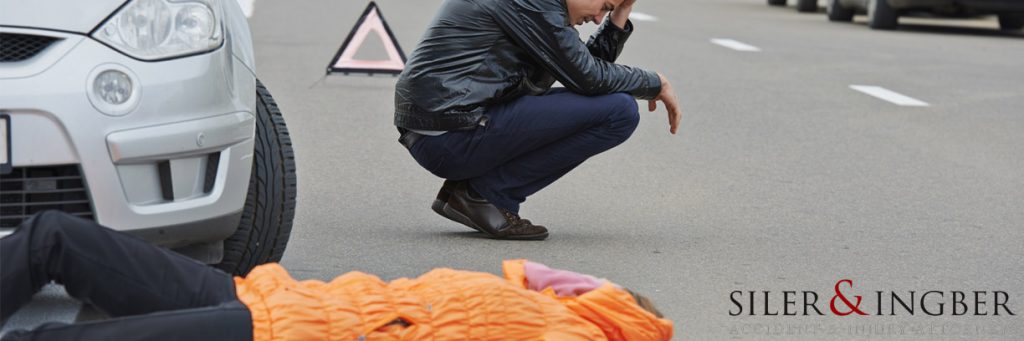
🚶♀️ Pedestrian Safety in New York City: A Growing Concern In the first nine months of 2024, New York City recorded 645 serious pedestrian injuries and 121 fatalities, marking a 13% rise in serious injuries and a 21% increase in deaths compared to 2023. This makes it the deadliest start to a year for pedestrians since Vision Zero began in 2014. Serious Injuries: 645 pedestrians were seriously injured between January and September 2024. Fatalities: 121 pedestrians lost their lives between January 1 and December 30, 2024. Trend: Pedestrian fatalities and serious injuries both rose sharply year-over-year. Context: The first half of 2024 had the highest pedestrian death rate in a decade, challenging the city’s Vision Zero goals. Fall evenings are particularly dangerous. Rush hour coincides with reduced daylight, increasing the likelihood of severe or fatal crashes. To learn more about the city’s Vision Zero efforts, visit nyc.gov/visionzero. Hidden Dangers for NYC Pedestrians Even cautious pedestrians face risks in a city as busy as New York. Five often overlooked hazards contribute to many pedestrian injuries and fatalities: Distracted Walking: Smartphones, headphones, and conversations can take your attention off the road. Poor Visibility: Low light, rain, or fog makes pedestrians hard to see, especially without reflective clothing. Vehicles Backing Up: Be alert near driveways and parking lots; pedestrians have the right of way in these areas. Driver Failure to Yield: Many collisions occur when drivers fail to yield at marked or unmarked crosswalks. Walking in the Wrong Direction: When no sidewalk is available, always walk facing traffic so drivers can see you sooner. Under New York law, pedestrians have the right of way at all crosswalks, marked or unmarked. If a negligent driver injures you, you may be entitled to compensation for medical costs, lost income, and other damages. Pedestrian Safety Tips Everyone is a pedestrian at some point. Whether walking to your car, commuting, or crossing a street. Following these simple guidelines can help keep you safe: Be Safe & Be Seen Wear light-colored or reflective clothing at night or during bad weather. Carry a flashlight when walking after dark. Make eye contact with drivers before crossing. Be Smart & Be Alert Walk on sidewalks whenever possible; if not, walk facing traffic. Stay sober; alcohol and drugs impair your judgment and reaction time. Never assume a vehicle will stop; confirm that the driver sees you. Don’t rely solely on pedestrian signals; look both ways before stepping off the curb. Be Careful at Crossings Cross streets only at marked crosswalks or intersections. Obey pedestrian signals such as WALK/DON’T WALK lights. Watch for turning vehicles and ensure drivers yield before crossing. Avoid distractions, such as cell phones or headphones, while crossing. Tips for Drivers: Share the Road Responsibly Be Alert Always check for pedestrians before turning. Never drive under the influence of alcohol or drugs. Avoid texting or using your phone while driving. Keep your windshield clean and headlights on for better visibility. Be Responsible Yield to pedestrians in all crosswalks, marked or unmarked. Never block or park in a crosswalk. Stop for school buses with flashing red lights. Slow down to 25 MPH or less to give you more time to react and avoid crashes. Be Patient Never pass vehicles stopped for pedestrians. Obey all speed limits and come to a complete stop at stop signs. Turn at no more than 5 MPH, and always check for people in crosswalks. Know Your Rights as a Pedestrian How New York Law Protects You Right-of-Way: Pedestrians always have legal priority at crosswalks. Driver Liability: Negligent drivers can be held responsible for injuries they cause. Compensation: Victims can pursue damages for medical expenses, lost wages, and pain and suffering. Negligence Examples: Speeding, distraction, impairment, or failure to yield. What to Do After a Pedestrian Accident If you are hit by a vehicle in NYC, it’s essential to call the police immediately. A police report provides crucial documentation for insurance and legal claims. Even if your injuries seem minor, seek medical evaluation. Some injuries, like internal trauma or concussions, may not show symptoms right away. Once you’re safe, document the scene. Take photos or videos of your injuries, the vehicle, and any visible damage or skid marks. Gather the driver’s information, including their name, license number, insurance details, and contact information. If there are witnesses, ask for their names and phone numbers as well. When the police arrive, provide accurate information and request a copy of the accident report number for your records. After addressing your immediate medical needs, contact an experienced pedestrian accident attorney as soon as possible. In New York, it’s essential to understand your rights under the state’s No-Fault Law and whether your injuries meet the “serious injury” threshold required for a personal injury claim. An attorney can protect your rights, communicate with insurance companies, gather crucial evidence, and ensure you receive the compensation you deserve for medical bills, lost income, and pain and suffering. At Siler & Ingber Accident & Injury Attorneys, we guide victims through every step of the process, so you can focus on recovery while we fight for justice on your behalf. Immediate Steps: Call 911: Get medical and police assistance, even for minor injuries. Ensure Safety: Move to a safe area if possible without worsening your injuries. Document Everything: Take photos and videos of your injuries, the vehicle, and the scene. Exchange Information: Collect the driver’s name, contact, insurance details, and any witness information. Cooperate with Police: Provide accurate facts and request the officer’s name and badge number. Why Call Siler & Ingber Accident & Injury Attorneys When you’re injured, having the right legal team on your side can make all the difference. Protect Your Rights: We guide you on what to say and do after an accident to avoid costly mistakes. Handle Legal & Insurance Complexities: Our attorneys investigate, gather evidence, and negotiate with insurers on your behalf. Navigate New York’s “No-Fault” Law: We explain your coverage and determine if your injuries meet the “serious injury” threshold for
Key Responsibilities of a Pedestrian Accident Lawyer

Being hit by a car turns a person’s life upside down in an instant. Victims face painful injuries, mounting bills, and too many unknowns about their own rights. That crippling uncertainty is why people turn to a pedestrian accident attorney New York. But what exactly does one of those lawyers do on your behalf? At NYLawnet we think every client should have a clear picture of who is sitting beside them in the courtroom. Below we list the main duties a New York lawyer on after a pedestrian accident. 1. Case Evaluation & Legal Consultation The process usually starts with an honest sit-down review of the incident. The attorney listens to the time, place, weather, and every detail of the injuries you suffered. From that discussion they gauge whether your claim will hold up and walk you through the options. Their counsel gives you the confidence to proceed and serves as the cornerstone of your legal strategy. 2. Compiling Important Proof Hard facts are the foundation of a strong case, so your attorney doesn’t waste time gathering evidence. They secure hospital charts from both emergency room visits and follow-up care, order police reports, gather video, and speak with bystanders. In more difficult situations, they might even hire accident recreation experts to visually identify the crash’s cause. The foundation for proving culpability and pursuing the settlement you are entitled to is laid by this meticulous evidence search. 3. Determining Liability and Fault Any fault that is yours reduces the amount of the amount you receive under New York’s comparative negligence rule. An experienced New York pedestrian accident lawyer fights to place the blame where it belongs, frequently thwarting attempts by insurance companies to place the blame for the damage on you. Your claim must focus on demonstrating the driver’s negligence, whether it was due to speeding, cell phone use, or intoxication. 4. Negotiating with Insurance Companies Insurers make profits by shrinking payouts, so early offers can be far too lean. Your attorney steps in and handles every call, email, and face-to-face meeting, freeing you to recover. When a low bid lands, your lawyer backs it up with solid records and demands the number the injury really deserves. 5. Determining Damages No loss should be overlooked, from initial medical expenses and missed pay cheques to ongoing therapy and intangible suffering. In order for the final figure to accurately reflect the entire extent of the damage, your lawyer maps out all costs, both visible and hidden. New York pedestrian lawyers are aware of which precedents and formulas will be upheld by a judge, maintaining the numbers alright. 6. Trial Representation and Litigation Your attorney files a lawsuit and prepares the case for court if the adjuster continues to play games. That covers every step-filing paper, guiding you at preliminary hearings, showing documents to the jury, and arguing for the biggest award. With the right team in place, the courtroom becomes less of a gamble and more of a chance to claim your future. Their trial floor time turns into your greatest advantage. 7. Legal Advice and Client Support Your lawyer is your rock from the very beginning. They keep you informed, guide you through the next steps, and ensure that you never have to guess. Patience, honesty, and plain talk sit at the heart of their job. Final Thoughts A pedestrian accident attorney New York is more than a briefcase-and-suit; they defend your rights, strike hard in talks, dig into the facts, and, above all, push for the fairness you deserve. We observe the shock and uncertainty that follow such injuries at NYLawnet. We walk mile after mile with you because of this. Contact NYLawnet right away if you or a loved one has been injured while out for a walk. Together, we will give you the strong legal foundation you need to build your tomorrow.
Top Rated Pedestrian Accident Attorney: Get the Compensation You Deserve
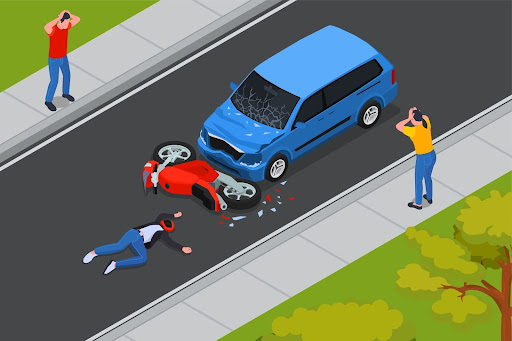
A slip and fall accident might seem minor at the outset, but the consequences can turn out to be life-changing. From piling medical expenses to lost wages to emotional trauma, these accidents come with some severe consequences. Thus, it is key to have the right Slip And Fall Attorney to fight for your compensation. With so many available out there, however, determining who the best slip and fall attorney New York City may seem like an insurmountable challenge. The following are some criteria to watch out for in ensuring that you’re teaming up with the right legal negotiator. 1. Slip-and-Fall Case Experience Personal injury attorneys are widely varied in their qualifications. You need a slip-and-fall attorney with specific experience in premises liability cases in New York City. Such attorneys know the ins and outs of local laws, building codes, and how to establish negligence. Ask them about their past performance: How many slip-and-fall cases have they handled? What have been the outcomes? 2. Knowledge of NYC Statutes New York has special laws regarding property owner obligations, along with a unique timeline for filing claims. An experienced slip-and-fall lawyer based in the city will have proper insight into the local ground situation-whether it had happened on the city sidewalk or a private building or commercial property. This local knowledge can either make or break your case. 3. A Good Network The best Slip-And-Fall Accident Lawyers don’t just depend on what you tell them. They investigate the conditions surrounding the incident, acquire the necessary surveillance footage, gather witness testimony, and hire medical experts for help. When interviewing potential slip and fall attorney New York City, find out what resources and methods they use to build a case. 4. Client-Focused Communication You ought to be kept informed throughout your case. Choose a slip-and-fall attorney who communicates clearly, answers your questions promptly, and treats your case with the importance it deserves. Check out reviews and ask for testimonials to ensure they have a strong reputation for client care. 5. No Win No Fees Good slip-and-fall accident lawyers will work on a contingency fee basis-this means that you do not pay for any services unless they win your case. This way, you pay lesser risks and it serves as a confidence boost for the attorney in performing his duty. 6. Proven in Acquiring Maximum Compensation In the final consideration, you want a slip-and-fall lawyer that maximized your outcome. Whether by settlement or trial, the goal is to maximize your compensation for medical expenses, lost income, pain and suffering, and future care. Do ask about her settlements and verdicts. Conclusion The choice of Slip-And-Fall Attorney New York City can make the difference between the dismissal of your claim and change in your life with a settlement. At NYLawnet, our passionate and dedicated slip-and-fall accident lawyers blend experience and local knowledge to fight for your rights and secure what you deserve. Were you injured in a slip-and-fall accident? Contact NYLawnet today for a free consultation, and let us assist you in receiving the boost to get back on your feet!
Best pedestrian accident attorney in New York – Free consultation
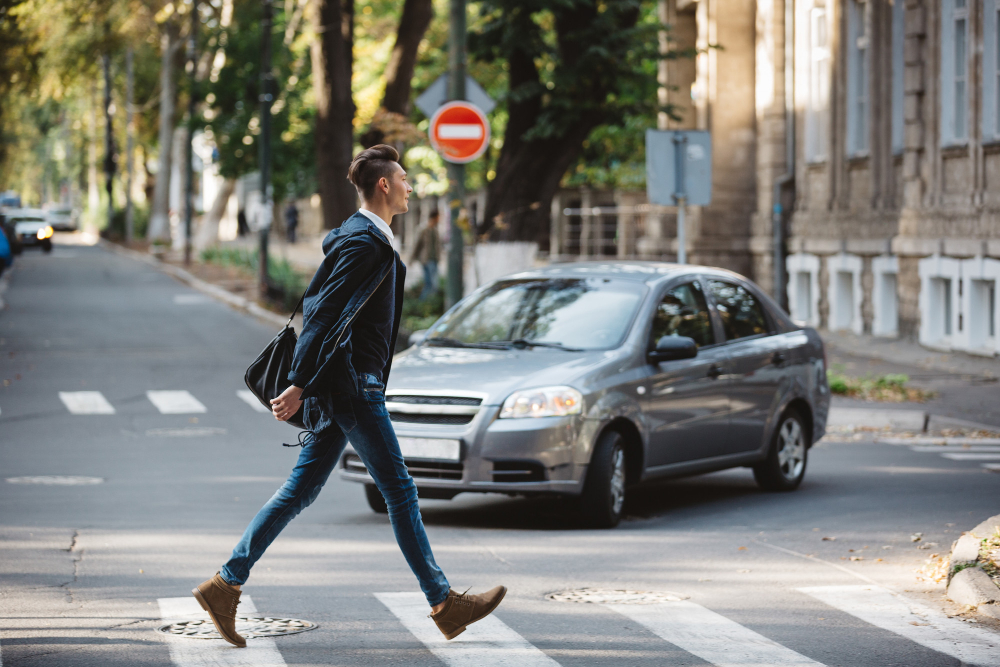
With so many accidents, pedestrian tragedies are quite common in high-speeded cities like New York. Whether it is crosswalk accidents, distracted drivers, or speeding cars, pedestrians are the ones left bearing the burden of getting hurt in a serious way that can change their lives. If you are ever hurt in a pedestrian accident occurring in New York, getting the right representation in such matters is key, and NYLawnet being here will assist you with pedestrian accident lawyer. NYLawnet is all about representing injured pedestrians in all five boroughs. With their savvy Pedestrian Accident Attorney New York, they will fight for your rights and take care of getting you the compensation you deserve while putting your life back together again. Even better-the consultation session is free of charge for any New York pedestrian accident lawyer. Why Choose NYLawnet? You certainly would want the best pedestrian accident lawyer who truly understands the many maze-like issues concerning New York traffic laws, tactics of insurance companies, and the long-term effects of pedestrian injuries. With NYLawnet, you can count on years of experience with New York pedestrian accident lawyer and a client-first attitude on each case. Here is what sets us apart: ✅ Pedestrian Accident Experts Having handled literally hundreds of pedestrian accident cases in New York involving crosswalks, intersections, and hit-and-runs, our attorneys know what it takes to win. ✅ Aggressive Representation We won’t be intimidated by an insurance company. Our Pedestrian Accident Attorney New York vigorously advocates for you to receive the maximum compensation for your medical bills, lost wages, pain and suffering, and much more. ✅ Free Consultation – No Fee Unless We Win When recovering from an accident, you shouldn’t worry about paying legal fees. That’s why NYLawnet offers a free initial consultation-and we work on a contingency fee basis (meaning you don’t pay us one cent unless we win your case), at finding a New York pedestrian accident lawyer. ✅ Focus on the Client We treat our clients like family. From the first day, we ensure clear communication, timely sympathetic guidance, and dependable legal support. What To Do After a New York Pedestrian Accident After you or a family member is struck by a moving vehicle in New York, you should do the following: Get medical attention right away, even if you think your injuries are minimal. Report the accident to the police; then get a copy of the report. Document, document, document! Take pictures, get witness contact information, and collect all of the medical evidence you can. Hire a New York pedestrian accident lawyer as soon as possible. Timing is important, as evidence tends to disappear, witnesses have a tendency to forget, and insurance companies hurry to pay as little as possible. The sooner you call NYLawnet, the stronger your case will be. Contact NYLawnet Today Don’t grieve through the aftermath of pedestrian accidents by yourself. Let a trusted New York Pedestrian Accident Lawyer carry the legal load since you need time to heal. NYLawnet has helped thousands of New Yorkers recover millions of dollars in settlements and verdicts, and we are ready to fight for you. Pick up your phone and call NYLawnet right now to set up a free consultation with a top pedestrian accident attorney New York. Justice is just a call away.
Top Compensation You Can Claim with a Pedestrian Accident Attorney in NYC
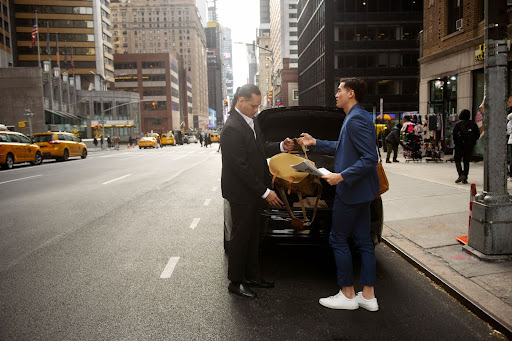
Pedestrians and pedestrian accidents unfortunately fall under serious cases of road traffic accidents that occur frequently in New York City. If in case you or a member of your family has suffered an injury from such an accident, you ought to consider getting legal representation from a pedestrian injury attorney in New York. An experienced injury attorney will explain to you the rights you have and help you obtain the fullest compensation for your injury. Below is a list of top compensations you can claim. 1. Medical expenses A pedestrian accident often causes more severe injuries, such as fracture, spinal injury, and head injury. Medical expenses can include diagnosis and treatment elements, which incur costs such as: Emergency room visits Inpatient care Operations Physical therapy Rehabilitation Medications that one has to take on a prescription basis Assistive equipment such as crutches or wheelchairs An expert Pedestrian Accident Attorney New York trained will ensure that all medical expenses currently and in the future related to the injuries suffered by you will be paid in full. 2. Loss of income and depletion of earning capacity Compensation for lost wages may be available for cases of inability to work due to injuries. These could include: Days that were missed from work due to being hospitalized or recuperating from an injury Reduced work hours from limits affecting their injuries Permanent disability that may affect one’s ability to earn money in the future Your attorney will compute the past lost wages and potential future loss of income so that he or she can help you make the most of your claim. 3. Pain and Suffering In addition to medical expenses and lost wages, pedestrian accident victims usually bear heavy physical pain and mental distress. Pain and suffering include: Physical discomfort coupled with chronic pain The emotional trauma, like PTSD, anxiety, or depression Reduced quality of life A pedestrian accident attorney in New York will strive to help you get fair compensation for these non-economic damages that change your life. 4. Disability and Disfigurement Accidents that result in a lifetime of disability or permanent scarring or disfigurement may file a claim for the following losses: Loss of mobility or function Scarring or disfigurement Need for life-long care or modifications to a home These damages identify the impact the incident will have on your daily life and relative capabilities in the future. 5. Wrongful Death Compensation In most unfortunate cases when a pedestrian dies as a result of any injury sustained during an accident, his or her family may seek wrong death claims. These would include: Costs incurred for the funeral and burial Loss of financial sustenance Emotional and companionship loss Caring and understanding Pedestrian Accident Attorney New York will take families through the process of legalities to attain justice for their loved one. 6. Punitive Damages In cases where the driver acted out their conduct wilfully or deliberately failed to conform to the duty of care, such as proved by drunk driving or extreme speeding, punitive damages may be imposed by court rulings. Such damages are to be characterized as a monetary fine to defendants and serve to deter similar behaviour in the future. Position of Need for a Pedestrian Accident Lawyer in New York There are instances when it just feels overwhelming dealing with legal complexities especially a burden of pedestrian accident claims. An excellent pedestrian accident attorney New York will do the following for you: Gather evidence to hold liability Negotiate Insurance Companies Litigate if required Fight for what you deserve: maximum compensation When you suffer injury as a result of a pedestrian accident, it should not settle for lesser than what it deserves. Declared a time to contact a reputable Pedeszazztrian Accident Attorney New York, at NYLawnet and protect your rights while demanding compensation necessary for recovery.